Indianapolis Plans Transformative Redesign of Downtown Interstates
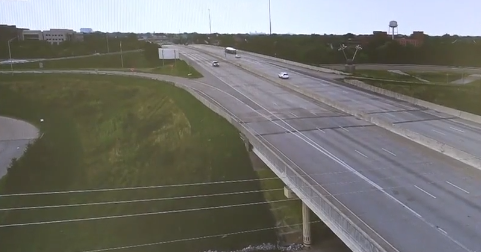
INDIANAPOLIS — A bold vision is taking shape to reimagine the heart of I‑65 and I‑70 through downtown Indianapolis. The proposal aims to transform the “South Split” corridor, opening space for new parks, housing, and economic opportunities while bridging neighborhoods historically divided by the highways.
The initiative, led by the Rethink Coalition in partnership with the Indy Chamber of Commerce, draws on the Southeast Gateway Planning Study, which explores options for “capping” or recessing the highways to create new land for urban development.
Reclaiming land, reconnecting neighborhoods
The stretch where I‑65 and I‑70 meet has long separated Fletcher Place, Fountain Square, and Bates‑Hendricks from downtown. Constructed in the late 1960s and early 1970s, the highways facilitated suburban growth but left lasting barriers between communities.
Three conceptual designs for the corridor show that even modest interventions could yield:
Around 8.2 acres of developable land, including 2.4 acres of park space.
Space for up to 585 housing units and 200–300 jobs linked to development projects.
Economic returns of $1.10 to $1.40 per dollar invested over 30 years, from increased property values and community growth.
Beyond housing and jobs, the plan emphasizes public green space and pedestrian connections, aiming to weave together districts divided by high-speed traffic. The vision includes plazas, parks, retail, civic amenities, and cultural spaces to draw people into the urban core.
A recessed highway alternative
Longer-term studies suggest even more ambitious possibilities: reconstructing much of the Inner Loop freeway system as a recessed highway, with through lanes below grade and surface boulevards, parks, and development above.
This approach could unlock 80+ acres of developable land, improve connections between neighborhoods, and create a more resilient framework for future urban growth.
Challenges and next steps
While the plan shows promise, technical and financial challenges remain. Preliminary estimates for a recessed highway redesign reach into the billions, requiring detailed engineering, traffic studies, and long-term funding strategies.
The Indiana Department of Transportation (INDOT) is already planning long-term reconstruction for the downtown interstates, including replacing aging infrastructure over the next 15–20 years. The proposal will need to align with these broader transportation projects.
Community input and engagement
Neighborhood groups, businesses, and residents are encouraged to provide input on the plan. Public engagement sessions are expected to explore the potential impact on traffic, safety, and quality of life, ensuring that the vision reflects community priorities.
The next steps include feasibility studies and impact analyses to guide design, funding, and construction decisions in the years ahead.