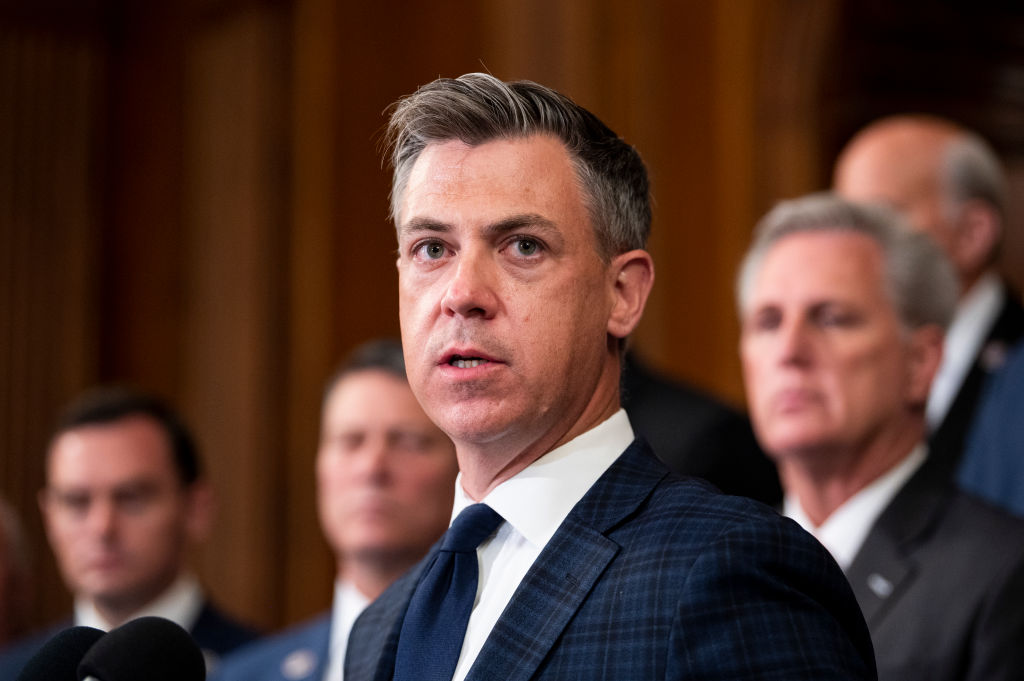
Sen. Liz Brown Defends SB 76 Ahead of Final Statehouse Vote
INDIANAPOLIS (Feb. 19, 2026) — On a morning marked by high legislative stakes and sharp political divides, State Senator Liz Brown (R-Fort Wayne) held a press conference to champion Senate Bill 76, also known as the FAIRNESS Act. The bill, which has undergone significant changes since its inception, is scheduled for a final concurring vote in the Senate this afternoon before heading to Governor Mike Braun’s desk.
If passed, SB 76 would represent one of the most aggressive shifts in Indiana’s history regarding state-led immigration enforcement.
The Author’s Vision: “Cooperation and Training”
During her 8:00 a.m. briefing at the Statehouse on Thursday, Senator Brown framed the bill as a common-sense measure to ensure that existing laws are actually followed. She emphasized that the bill is designed to create a “delicate coalition” between state and federal authorities.
“At the end of the day, what Senate Bill 76 was about is just cooperation and enforcing the laws that we have on the books. That’s it. It’s actually pretty simple,” Brown stated.
Brown addressed concerns regarding the expanding role of local police, noting that the bill now includes a mandate for the Department of Corrections (DOC) to provide specialized training for sheriffs and officers dealing with federal immigration detainers.
“We are asking law enforcement to do something which is outside their scope currently,” Brown admitted. “It was really important… that they have the proper training to ensure that they’re carrying out the law to the letter of the law.”
The “Gutted Bill” Critique: Pressure from the Right
Despite Brown’s advocacy, the bill has faced blistering criticism from within her own party. Darren Vogt issued a scathing statement, accusing Brown of watering down the original intent of the legislation before the House stepped in to strengthen it.
“Only Liz Brown could singlehandedly block President Trump’s immigration agenda for a year, then introduce a weak, watered-down version in an attempt to trick voters,” Vogt said. He argued that the House “gutted her terrible bill” and replaced it with a version that aligns more closely with the goals of Attorney General Todd Rokita and federal immigration officials.
The “Overreach” Critique: Alarm from the Left
On the other side of the aisle, State Rep. Ed Delaney has emerged as a vocal opponent, characterizing SB 76 as a dangerous expansion of government overreach. In a recent digest to constituents, Delaney warned that the bill transforms schools and hospitals into “enforcement zones.”
Delaney filed over 30 amendments—all of which were defeated by the Republican supermajority—aimed at protecting campus police, school resource officers, and religious institutions from being forced into federal enforcement roles.
“Schools and campuses become places where students and families are afraid to attend class, speak with staff, or report crimes,” Delaney wrote. “It invites chaos by turning everyday public institutions into enforcement points.”
Key Provisions of the Final Bill
As it stands for today’s vote, SB 76 includes several “teeth” that supporters say are necessary and opponents say are punitive:
Mandatory Compliance: Local governments and universities must comply with ICE detainer requests.
Attorney General Oversight: Grants the AG power to sue local units that maintain “sanctuary” policies.
Workplace Safe Harbors: Employers using E-Verify or “Industry Best Standards” have a safe harbor from prosecution, but the AG can prosecute those knowingly hiring unauthorized workers.
“If an employer uses E-Verify… they’re not responsible if someone has been clever enough to have great documents that slipped into the system,” Brown explained.
Hospital Reporting:Requires hospitals to track and report identification types for Medicaid patients starting in 2027.
A Conflict of Philosophies
When asked about her previous concerns regarding the centralization of power in the Attorney General’s office—which she once called “an incredible amount of power”—Brown noted her philosophy has shifted toward a pragmatic “check and double check.”
“I am a small government person and also appreciate the separation of powers,” Brown said. “The Attorney General has enforcement powers in this bill, and that is totally appropriate.”
As the Senate prepares to vote, the eyes of the state are on the “FAIRNESS Act.” For Brown, it is a tool to ensure Indiana is not a “sanctuary haven.” For Delaney and Vogt, albeit for very different reasons, it remains a symbol of a legislative process fraught with political friction.