Concerns Raised in Indiana Senate Over Guard Police Plan
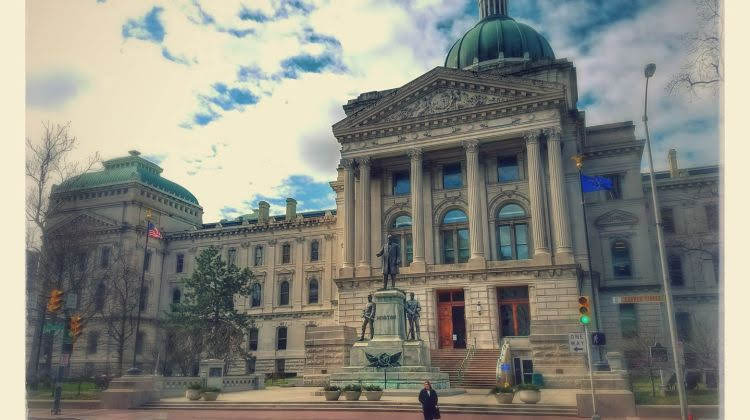
STATEHOUSE — A man who said he has professionally participated in protests for nearly a decade urged lawmakers Tuesday to scale back a proposal that would allow the governor to create and deploy a military police force within the Indiana National Guard.
Testifying before a Senate committee, the man described himself as a longtime member of the protest movement and a trained legal observer who works to help keep demonstrations safe.
“I heard a lot of things here and I have some serious concerns,” he told lawmakers. “There are good parts to the bill. You’re helping out veterans. But there’s too much.”
The legislation would give the governor authority to establish a military police unit within the Indiana National Guard and deploy it anywhere in the state without approval from local elected officials. Supporters say the measure would provide flexibility during emergencies. Critics argue it expands executive power and could undermine local control.
The man said he was particularly troubled by comments suggesting the force could be used to police what some consider “out of control protests.”
“I’ve been involved in the protest movement for eight years now,” he said. “I became a legal observer and we try to keep everything safe. I heard somebody mention that they’re going to use it to police out of control protests. I have never in eight years been involved in an out of control protest.”
He said the most serious damage he had witnessed was a single broken window in Alabama following protests over the killing of George Floyd in 2020.
“That’s what destroys community trust in our National Guard and police,” he said. “I would encourage you not to support the bill as it is, but to be more specific about what situations you’re going to use the National Guard. What’s wrong with keeping them in the role they are now with natural disasters? There are just too many unanswered questions.”
The proposal passed the House in late January on a 67-29 vote and has advanced to the Senate Appropriations Committee. If it clears that panel, it could move to the full Senate for consideration.