Why rekeying is the first move for every new homeowner
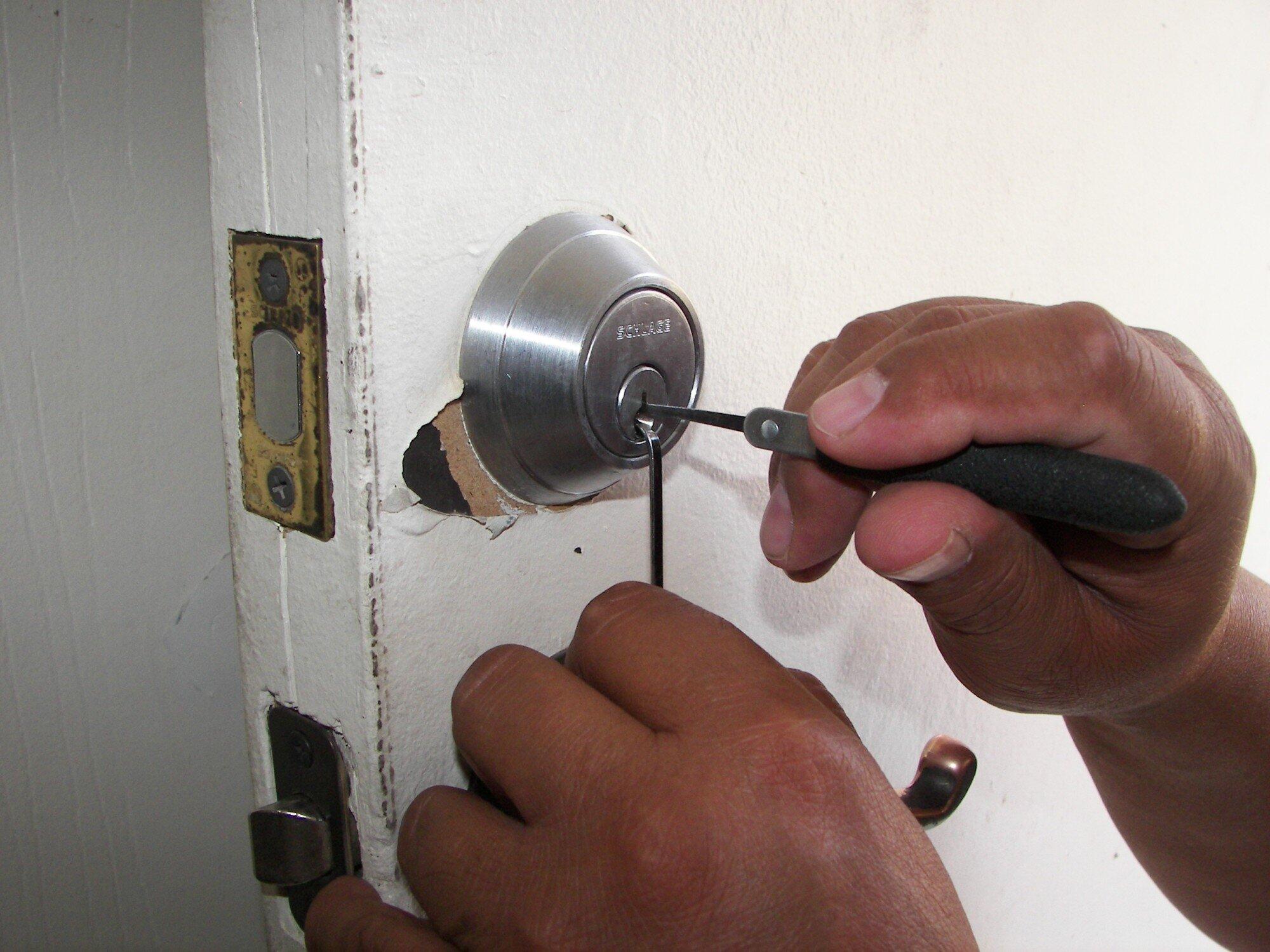
Closing on a home is a massive financial milestone, but the reality of moving day is usually a chaotic blur of boxes and logistics. Amid the hustle, security often takes a backseat to furniture layout. However, a house isn’t truly a sanctuary until you control every single point of entry.
You have no way of knowing how many “ghost keys” are currently sitting in the junk drawers of former neighbors, contractors, or old babysitters. Rekeying the locks needs to be your absolute first priority-ideally before you even unpack the kitchen-to ensure the set you were handed at the closing table is actually the only one that works.
What is Rekeying?
Rekeying is the mechanical process of swapping out the tiny internal pins of a lock cylinder so they no longer match the old key. It’s a surgical fix: you keep the handle and the deadbolt but effectively “reset” the lock’s brain so only your new key works.
Importance of Unlocking Peace of Mind in Your New Home
Professional residential and commercial locksmiths Cincinnati look at a new home differently than a realtor or a security salesman; they see a property’s history in its hardware. Closing day is a whirlwind of paperwork and logistics, making it easy to overlook the most basic layer of defense. While you’re focused on paint colors and floor plans, your actual security is still tethered to the previous owner’s key management-or lack thereof. Changing the locks should be one of the first things you do once the place is officially yours.
Every spare key ever handed out to a neighbor, a past contractor, or a former tenant is a potential security breach waiting to happen. In the locksmith world, these are “unaccounted-for entries,” and they represent a risk that only a professional rekey can eliminate.
Day One Safety & Security
Walking away from the closing table with a set of keys feels like the end of a long journey, but from a security perspective, it’s a vulnerable transition. This is especially true when you consider that FBI burglary statistics consistently highlight residential properties as primary targets during times of transition. It’s easy to get distracted by furniture layouts, but the “first night” in a new house is a notorious security blind spot. A professional rekeying service effectively “evicts” every ghost key currently floating around in the world, ensuring your family is the only one with access.
Most sellers genuinely forget how many duplicates they’ve cut over the years for old babysitters, former landscapers, or neighbors. Because there is no paper trail for physical keys, you are essentially inheriting an unmanaged security list. Rekeying wipes that slate clean immediately. It guarantees that when you lock up for the night, you aren’t leaving your safety to the memory of the previous owner.
Cost-Effective First Step
Many new owners immediately drop thousands on high-definition smart cameras and subscription-based alarm systems. While technology is a great monitoring tool, it’s an expensive, time-consuming project that usually just records a security breach in progress. It doesn’t actually stop someone with a working key from walking inside.
Cameras are a secondary layer; rekeying is your primary defense. It’s the highest-ROI move you can make because it secures the physical hardware before you ever touch a piece of software. Don’t spend your first week wrestling with Wi-Fi signals and cloud storage while a stranger potentially still holds the “ghost keys” to your deadbolt.
Lock Rekeying vs. Replacement
Replacing locks is the default reaction for most new owners, but it’s often a massive waste of money. A full replacement forces you to pay for brand-new handles and deadbolts when the existing metal is perfectly fine. Unless your hardware is broken or an eyesore, there is no reason to pay a premium just to change the internal “code.”
While you can go the DIY route using specialized rekeying kits, it requires a steady hand and brand-specific tools. A professional can typically rekey an entire house in about an hour, whereas replacing every fixture yourself can turn into a grueling weekend project involving misaligned strike plates and stripped screws. Ultimately, rekeying gives you the same clean security slate without the “new hardware” price tag.
Residential Security Audit
A residential security audit isn’t just a walkthrough; it’s a professional assessment of your property’s weakest points. The goal is to hunt down every compromised entry point, lighting blind spot, and hardware failure before someone else does. You can’t defend a perimeter you haven’t actually mapped out.
This is the moment to decide your strategy: Do you want a single master key for the entire house, or do individual spaces-like a home office, a rental suite, or a garage-need restricted access? The audit ensures that when your locksmith gets to work, they aren’t just changing pins-they’re building a tailored security roadmap designed specifically for your family’s lifestyle.
Hardening Your Entry Points
While the pins are being swapped, it’s the ideal moment to consider upgrading to a high-security lock cylinder. Standard retail-grade locks are often vulnerable to common bypass techniques like lock “bumping” or professional picking. High-security cylinders meet the rigorous standards established by the Associated Locksmiths of America (ALOA), using hardened steel components and specialized internal mechanics to defeat these tampering methods.
You don’t need to be a security expert to appreciate the difference: these upgrades transform a standard door into a hardened entry point. Real peace of mind doesn’t come from a hopeful feeling-it comes from the physics of a lock that is simply too difficult for an intruder to compromise.
Frequently Asked Questions
What is the Difference Between Rekeying and Replacing Locks?
Rekeying is a surgical reset of your lock’s internal pins to match a new key, while replacement involves tearing out the entire handle and deadbolt assembly. Think of rekeying as a “software update” for your door: you change the access code without the expense of buying new hardware. It is the fastest, most budget-friendly way to secure your perimeter when your existing locks are still in good condition.
When Should I Rekey My Home?
Rekeying is mandatory any time you lose control over who has access to your property. The most common trigger is moving into a new house, but it is equally critical if you’ve lost a spare set, moved out a roommate, or finished a renovation where contractors had keys. If you can’t account for every working copy of your key with 100% certainty, your perimeter is compromised. Rekeying is the only way to reset that security clock.
Does Rekeying Improve My Home’s Security?
Absolutely. Real security isn’t just about the strength of the deadbolt; it’s about the exclusivity of the key. By rendering old keys useless, you effectively “delete” the access permissions of every contractor, realtor, or neighbor who ever held a spare. It swaps “hope” for mechanical certainty, ensuring your defense is built on actual control rather than the hope that the previous owner’s social circle is reliable.
Secure Your Future from Day One
Moving into a new home is a massive milestone, but you aren’t truly in control until you’ve secured the entry points. Professional rekeying isn’t just a recommendation-it’s the most cost-effective way to ensure your “new” house doesn’t come with old, unaccounted-for access.
Don’t leave your first night to chance. Securing your family and your property from hour one provides the mechanical certainty needed to finally settle in. Wipe the slate clean of “ghost keys” and build your new life on a foundation of exclusive, verified access.