Braun Highlights Affordability in 2026 Indiana State of the State
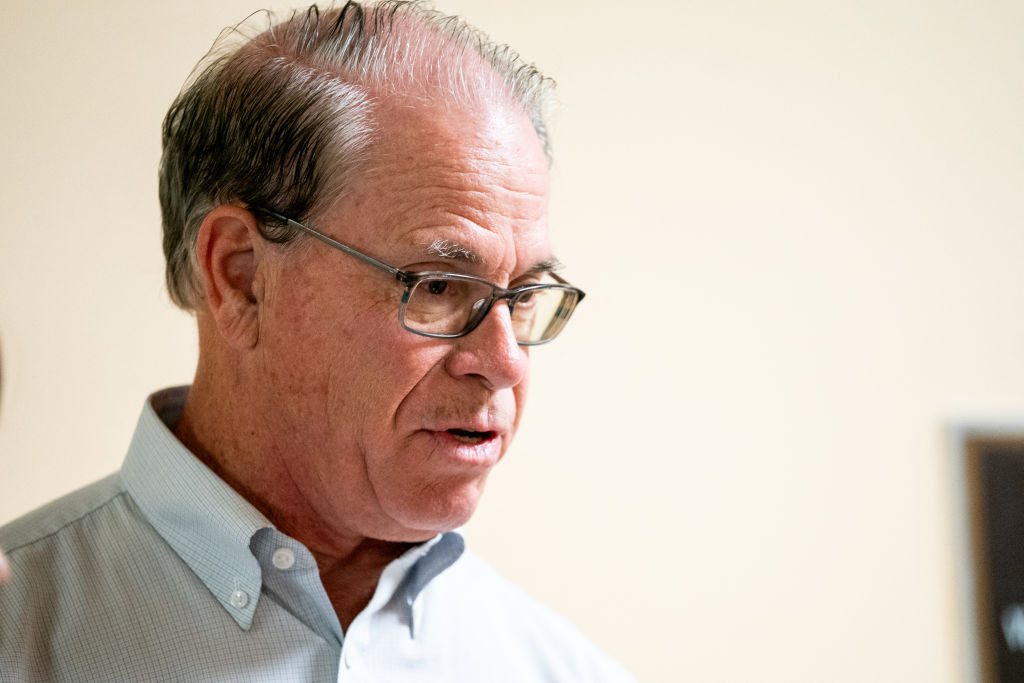
Indiana Governor Mike Braun delivered his 2026 State of the State address Tuesday night, centering his remarks on what he described as “kitchen table” issues impacting Hoosier families.
Speaking for the second time to the Indiana General Assembly, Braun laid out his 2026 Freedom and Opportunity agenda, saying it builds on progress made during 2025.
“The time is now, and the place is Indiana and the state of our state is strong,” Braun said.
The governor pointed to economic gains from last year, noting that average hourly earnings in Indiana rose more than 4% in 2025 and that wages statewide are increasing faster than the national average.
Braun also highlighted major job creation projects across the state, including Amazon’s $15 billion data center in northwest Indiana, which he said will create 1,110 jobs.
“I‘ve been all over the state, breaking ground on new projects, creating thousands of new high-wage jobs. Here’s to name a few of them. INCOG Biopharma is creating 792 jobs in Fishers. Autocam Medical Devices is adding 300 jobs in Coshocton County. Kratos Defense is creating 628 high-wage jobs in my neck of the woods in Crane. Caterpillar’s making their biggest manufacturing expansion in company history in Lafayette.”
Despite those gains, Braun said affordability challenges remain widespread, calling the issue his top priority for 2026.
“Utility rates are too high. I hear it all the time,” Braun said.
To address rising utility costs, Braun said he appointed three “rate-payer conscious” members to the Indiana Utility Regulatory Commission, along with a new state consumer advocate.
“The first time a request came to her asking for a rate increase, she responded with a recommendation for a decrease,” Braun said.
On housing, Braun said last year’s property tax reforms should provide relief to homeowners but acknowledged that many residents still struggle to buy homes.
“There’re too many Hoosiers who can’t afford to own a home at all,” he said. “Home prices have surged because we aren’t building enough and unnecessary regulations are driving up costs.”
Braun said legislation is being developed to reduce regulatory barriers. Earlier this week, he attended a ribbon-cutting ceremony for the expansion of a Princeton apartment complex that received significant funding through the Regional Economic Acceleration and Development Initiative, or READI.
Healthcare affordability was another focus of the address, with Braun calling for action to rein in medical costs.
“I want all of us to work on that. It’s the biggest part of our economy. It shouldn’t cost us that much. We need to do something about it,” Braun said.
As Indiana’s economy continues to grow, Braun said child care costs also need to be addressed.
“That’s why I look forward to digging in during the budget session to see what we can do to invest in lowering child care costs,” Braun said.
Democratic State Rep. Alex Burton of Evansville responded positively to parts of the governor’s speech, particularly on housing, child care and energy expenses.
“These are unavoidable expenses,” Burton said. “As the legislative session continues, I will keep working on behalf of my constituents by legislating, advocating and advancing meaningful policies that help families get ahead.”
Braun also praised the Indiana State Police for their efforts to combat drug trafficking along state highways.
“When I took office, I asked State Police Superintendent Anthony Scott to crack down on drug trafficking on our highways. The ISP launched a full-scale program to stop narcotics before they make it to our communities. They seized over 1,300 pounds of cocaine from bulk shipments in 2025. Troopers also seized 84 pounds of heroin and fentanyl, double what they took off the street the year prior. And just last week, the Indiana State Police seized over 300 pounds of cocaine in one traffic stop with an estimated street value of $7 million.“
According to Braun, those enforcement efforts have had a measurable impact.
“In one year, overdose deaths dropped over 60% from 1610 in 2024 to 562 last year.”
Listen to Kendall and Casey’s commentary on the address: