Maduro’s Rise and Fall, Through an Indy Journalist
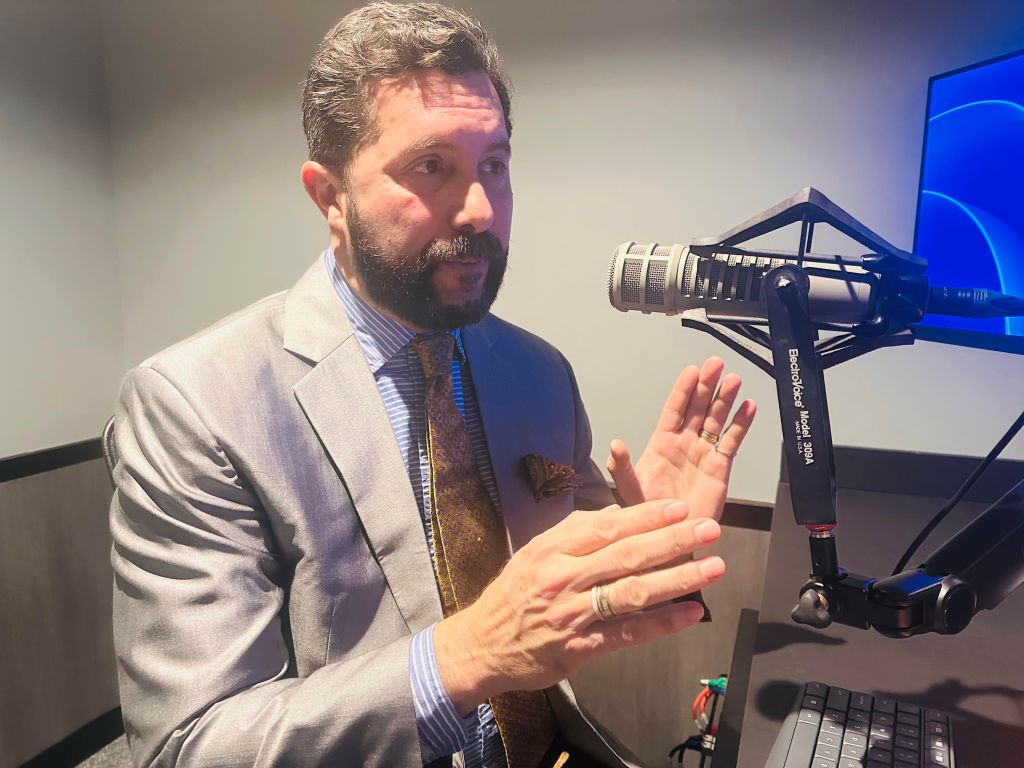
INDIANAPOLIS — A Venezuelan journalist in Indianapolis says the arrest of ousted President Nicolas Maduro and the first lady is bringing fresh attention to a humanitarian crisis that’s only gotten worse.
Ray Lyman of Indy Telemundo for Radio One talked about the arrests and shared his thoughts on Maduro’s rise to power and what’s happening in Venezuela now.
Lyman said he first crossed paths with Maduro years ago, when he was a young reporter in Venezuela and Maduro was not yet a national political figure.
“He was a bus driver,” Lyman said. “I never imagined he would be driving my country and ruling it in such a terrible way. In every country, a bus driver can become president, that part is amazing, what a human being can achieve.”
Maduro, and Flores, are scheduled to make their first appearance in a U.S. federal court Monday. The couple faces charges in the Southern District of New York, including narco-terrorism conspiracy, cocaine importation conspiracy, and weapons-related offenses.
U.S. officials say the two were indicted after being captured at a heavily fortified compound in Caracas during an operation known as “Operation Absolute Resolve,” following authorization from President Trump earlier Saturday.
The Trump administration has repeatedly described Maduro’s government as “illegitimate,” citing what it says were rigged elections, including the 2024 vote. Under Venezuela’s constitution, Executive Vice President Delcy Rodríguez would be next in line for the presidency.
Maduro and Flores are reportedly being held in separate solitary cells at the Metropolitan Detention Center in Brooklyn, where armed law enforcement officers are stationed outside. The facility has previously housed high-profile inmates, including Joaquín “El Chapo” Guzmán.
Lyman said Maduro’s rise to power eventually took a darker turn. He accused the government of jailing more than 2,500 people following the 2024 elections, including young men and people on the autism spectrum.
“They are in jail today in prisons in Venezuela,” Lyman said. “Some of those prisons have gone more than 36 hours without electricity or running water.”
He also shared personal accounts from family members still living in the country. Lyman described his mother’s experience in what he called a middle-class neighborhood, where long lines form for basic food.
“Can you imagine thousands of people waiting for food?” he said. “When she finally got into the grocery store, she could only buy eggs, beans and corn. Everything else had disappeared.”
Lyman said many people in Venezuela feel abandoned by the international community and powerless in their own country.