A Scary Experience with Guillain-Barré Syndrome
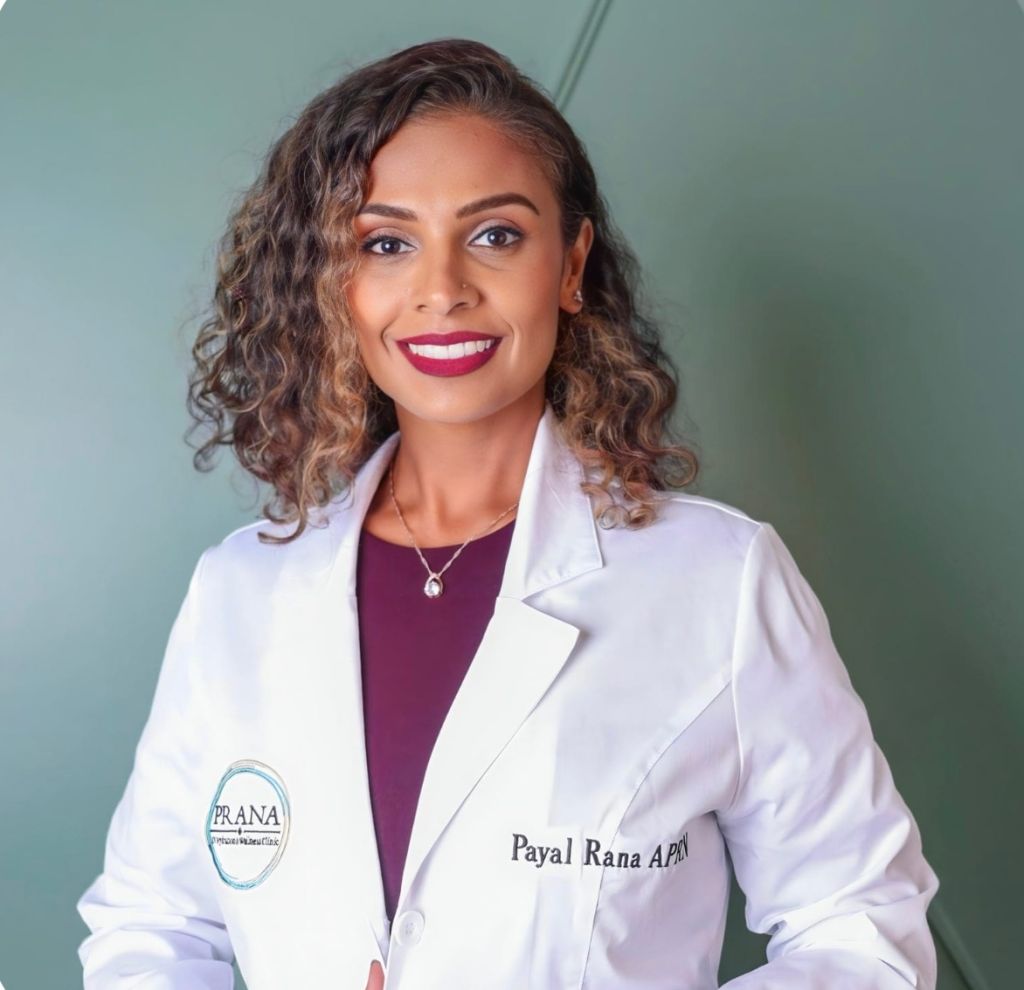
FORTVILLE, IN — Payal Rana of Fortville carries a unique perspective on vaccines and personal health decisions, one born out of a terrifying childhood experience that left her temporarily paralyzed and required two years of intensive physical therapy.
Rana’s ordeal began years ago when, before a trip to India for a cousin’s wedding, her pediatrician recommended she receive a flu vaccine. Unbeknownst to them, the specific strain of that year carried a rare one in 100,000 chance of triggering Guillain-Barré Syndrome (GBS)—an autoimmune condition where the body’s immune system attacks the nerves, leading to paralysis.
The Onset of Paralysis
Two days after arriving in India, the symptoms began. Rana woke up with a sensation she described as the familiar “tingly, weird feeling” of a limb falling asleep. “I was like, maybe because I slept wrong,” she recalled. “I don’t know, you know, weird.” The tingling quickly worsened, progressing from her toes up to her back. While riding on a motorbike with her uncle, she realized she couldn’t move her toes, and her back pain became unbearable. When they arrived back at the bungalow, she couldn’t get off the bike.
“I’m telling my brain is like trying to be like, okay, come on, like move around, move around. It’s just not going anywhere. It’s the most oddest feeling ever and scary too,” she shared. Her cousin rushed her inside, and her family immediately took her to the nearest clinic.
A Life-Saving Stroke of Luck
Rana’s life was saved by what she calls a true blessing: a neurologist—who only visited the small local clinic once a month—happened to be there that day. The specialist immediately recognized the symptoms as Guillain-Barré and administered immunoglobulins via IV to stop the progression. This swift action was critical, as GBS can ascend to the lungs, causing paralysis of the respiratory muscles.
“My back was hurting. It got up to my back already,” Rana said. “If I didn’t get treatment in time… I would have died that day.” After five days of treatment in India, Rana returned home, facing two years of physical therapy to regain her mobility.
A Change in Life Path and Perspective
The long recovery led Rana to a profound career change. While she initially wanted to be a cardiologist, the experience of being a long-term patient altered her goal. “At the end of the day, the people that really took care of me was their nurses,” she explained. “I want to be there for that young child or the human, the person that doesn’t know what’s happening and empower them to help them understand what’s happening.”
Now a nurse herself, Rana uses her experience to counsel patients on various health decisions. She stresses the importance of an informed decision, encouraging individuals to “outweigh the risks and benefits” and understand the potential negatives so they can “go seek the care that you need to help you.”
Informed Decisions for Future Health
Despite the traumatic experience, Rana has not rejected all vaccinations but remains acutely aware of the risk. Even during her pregnancies (pre-COVID), she wrestled with the decision. “I took the vaccine while I was pregnant for, not for me, for the baby,” she stated, noting that she was confident in making the decision because she was now educated on the symptoms and what to do if GBS were to flare up again.
Later, she also chose to take the COVID vaccine, acknowledging that she was making a “knowingly informed decision” after weighing the risks and benefits. She advises all her patients to consider the positives and negatives before taking any vaccine, stating, “you have to always, you know, outweigh the risks and benefits. Any type of healthcare decision you make.”