Effective soot stain removal techniques revealed
Those deep black or brown powdery particles that are left behind after a fire, known as soot, can linger in the air and on other surfaces for months after a fire, but you can remove a stubborn soot stain with a few easy tips. Keep the area dry before you start cleaning, understand what cleaners to use, from baking soda to vinegar, and use the right tools, like a nylon scrubbing pad, and you’ll get rid of soot marks with ease.
Soot is linked to almost 50% of deaths related to lower respiratory infection in children younger than 5 years old, according to the World Health Organization. In other words, removal isn’t something you do just for the aesthetics, as it can also affect the health of everyone in your home.
As a result, it can also affect your home’s overall safety and value, so it’s best not to take heavy smoke damage lightly.
Why Is Cleaning Soot Stains Important?
When you understand the components of soot, you won’t want it anywhere near you, your children, or your pets. It contains carbon particles and carcinogens like cadmium, arsenic, and chromium, according to the National Cancer Institute.
It has also been linked to skin cancer in professional chimney sweeps in several European countries. As a result, these particles are viewed as a health hazard, able to enter your lungs and bloodstream.
The results can be heart attacks, strokes, premature death, and aggravated asthma. In addition to the human body, soot can cause major damage to other components in your home if not removed quickly.
Its acidic, conductive properties can severely corrode electrical components, thus creating another fire risk and the potential for electrical failure.
What Is the Easiest Way to Remove a Soot Stain?
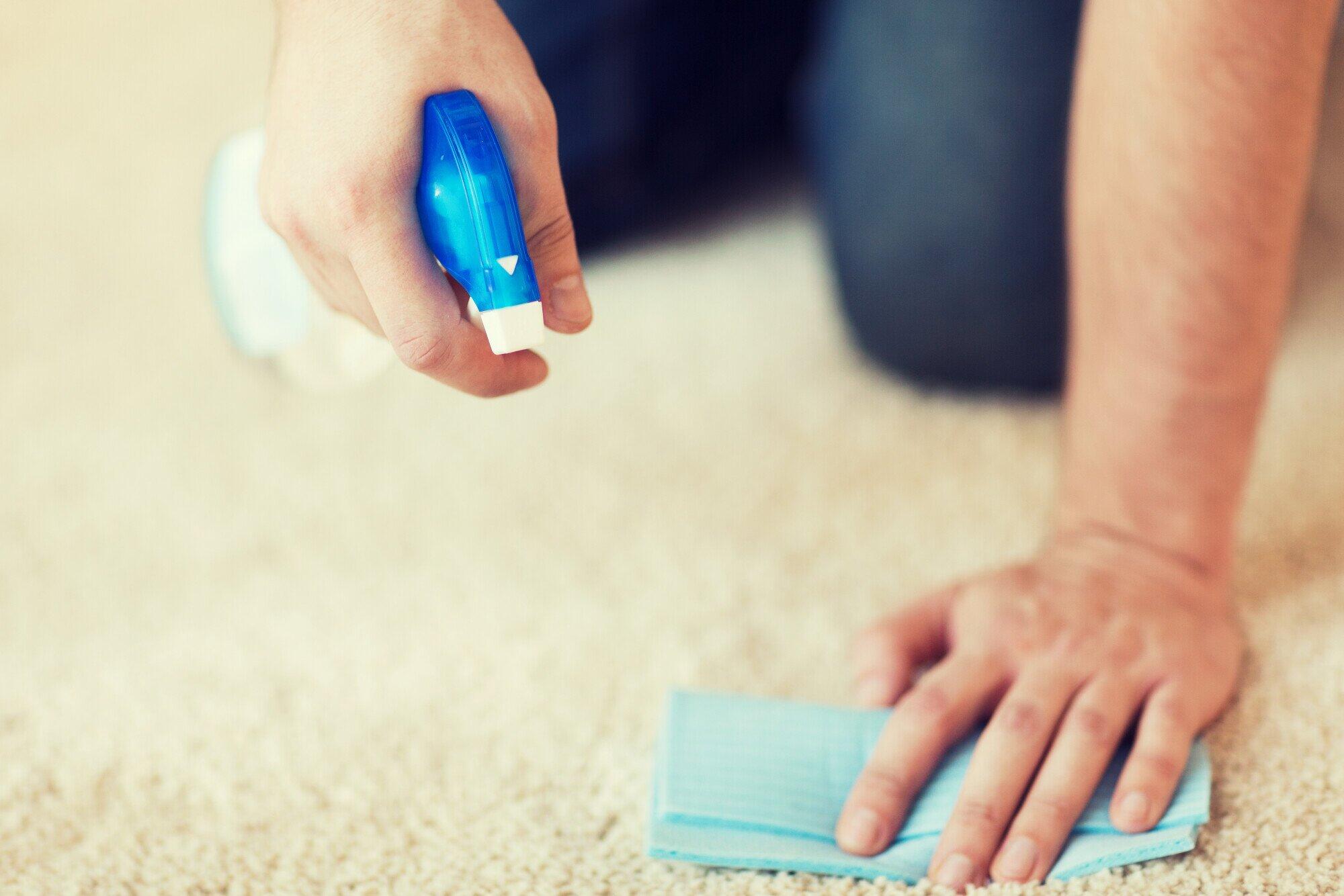
For effective soot stain removal, make sure the area is as dry as possible. At first, soot can be oily, so you want to first vacuum the area, which you can do with a dry chemical sponge.
During this step, you’re lifting the powdery, loose soot without creating streaks. Next, you can select from ideal cleaners, which include:
- Baking soda
- White vinegar
- Dish soap
- TSP
You can use TSP mixed with water to remove soot from brick, furniture, and walls. Create a baking soda paste to remove the substance from metal or carpet without moisture.
Adding equal parts water and white vinegar can help break down oily soot residues, and another simple mixture of dish soap and warm water can also help.
When Can I Use a Magic Eraser?
That handy magic eraser can also be a highly effective soot stain remover on various surfaces after minor accidents. Burning candles can sometimes cause localized damage, and you can use your magic eraser on small marks present on ceilings, walls, or cabinets.
You can also use it on stone countertops and bathtub surfaces as you normally would.
Do you have soot on painted surfaces? If that surface is painted with eggshell or semi-gloss paint, you can carefully use the magic eraser, but test a small hidden area first.
Should I Call a Professional Instead?
It’s always best to bring in the professionals if soot covers a large area caused by a fire or furnace puffback. In this case, there are way too many hazardous particles and oily residue for an amateur to handle on their own.
When the affected room has upholstery and carpet, these materials may need specialized tools to properly remove the particles and smell; otherwise, oil-based soot will continue to stain further. If any smoke odor remains even after cleaning, you’ll definitely need professional care to prevent long-term air quality issues that can affect your health.
Remember, fire damage can also affect insurance, and you may want to contact your own public adjusters in Wisconsin instead of relying on the ones from the insurance company. These professionals can advocate for you and negotiate with your insurance provider to achieve the best possible settlement after a devastating fire on your residential or commercial property.
Does Soot Stain Permanently?
If you want to remove soot from walls permanently, you must do so immediately because it’s acidic. As a result, it quickly permeates any porous materials, from wood to carpets to drywall, causing irreparable damage.
When people make the mistake of using water or oil-based cleaners on the first go, they end up setting the stain further, which creates permanent damage.
Frequently Asked Questions
What Is Salvageable After a House Fire?
In general, the items that are usually salvageable after a house fire include anything made from:
- Glass
- Metal
- Non-porous materials
- Electrical appliances
Some furniture may also be saved, depending on the material and overall impact. If clothing has only been lightly smoke-damaged, you may be able to wash it well and save it.
However, anything porous, like ceramics, wood, melted plastics, food, medication, and cosmetics, would likely become a health hazard if exposed to fire and smoke. Even canned items are at risk of spoiling once exposed to a fire’s high heat.
How Long Does Soot Stay in the Air After a Fire?
Did you know that soot air pollution can linger in the air for weeks or even months? As a result, it can affect your indoor air quality if you don’t properly remove it.
Proper cleaning and air filtration are key to reducing the environmental impact of leftover soot from a fire. Your day-to-day activities can make these particles airborne again, further increasing the risk.
Know How to Remove Soot and Protect Your Home and Health
As you can see, a soot stain isn’t something you want to leave behind on your walls, furniture, or clothing. These dangerous carcinogenic particles can linger in the air for weeks and months on end, so fast and effective cleaning techniques are essential to remove the aesthetic marks and the lingering problems that can cause problems down the road.
Luckily, from baking soda to vinegar and professional assessments for your insurance protection, you have several ways to remove this problematic substance from your home after fire or smoke damage. By taking these soot removal tips seriously, you may save your family from breathing in poisonous air and living in a slowly crumbling structure.
If you learned something from this article, you have even more to look forward to on the rest of our website.