What experts say about planning a healthy pregnancy
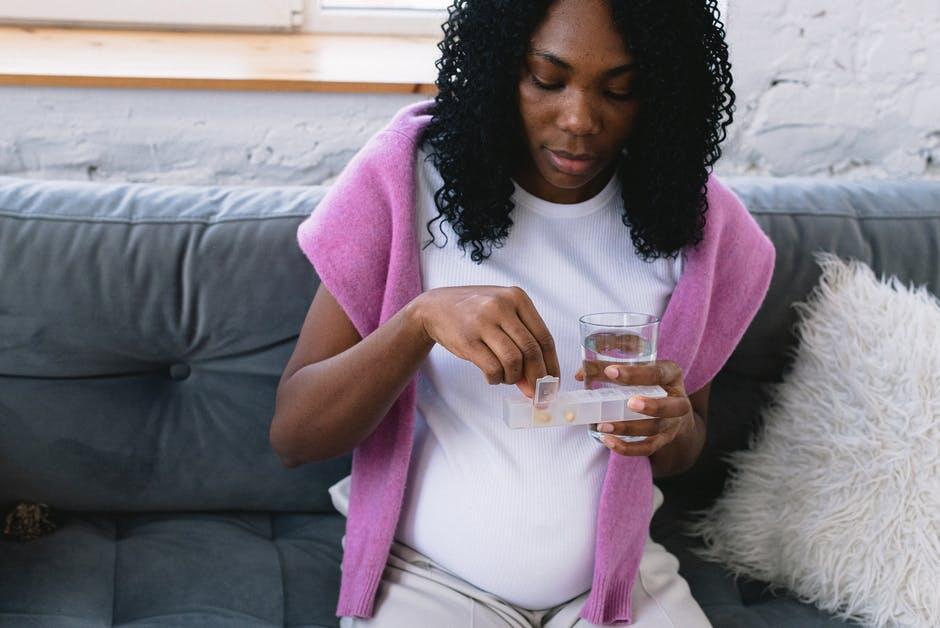
A healthy pregnancy is vital at every stage of development, so your baby meets key milestones and you have as smooth a pregnancy as possible. Look for signs such as a strong heartbeat and regular movement. To lessen your risk of complications, attend all of your doctors’ appointments and avoid harmful substances.
Have you just discovered that you are pregnant? The good news: According to the University of Utah, the vast majority of pregnancies are healthy and risk-free, with only 6% to 8% of women experiencing a high-risk pregnancy.
Expert pregnancy advice and healthy pregnancy preparation will have a positive effect on both you and your baby during this joyous time.
What Are the Signs of a Healthy Pregnancy?
How exactly do you know if your pregnancy is healthy? Although it is important to meet with a medical professional for details, there are some key details to look for.
A Strong Heartbeat
When your baby has a strong heartbeat, it means that he or she is growing at a normal rate. It also signals that the blood receives enough oxygen and essential nutrients, which improve circulation.
A stronger heartbeat is also an indicator of a lower risk of miscarriage, especially in the first trimester.
Regular Fetal Movement
Feeling your baby move is more than just a phenomenon for you and your partner to experience. It is actually a reliable health indicator. Regular movement helps babies develop normally and reduces the chances of musculoskeletal problems when they change positions frequently.
Consistent Weight Gain
You must put on a certain amount of weight during your pregnancy to make sure your baby receives all of the nutrition it needs to grow. Talk to your doctor about what healthy weight gain looks like for you and check in regularly.
How Do I Make Sure My Pregnancy Is Healthy?
While some factors of pregnancy are out of your control, there are many steps that you can take to increase the chances of a healthy baby. Here are some crucial tips.
Avoid Tobacco and Alcohol
As little as 50 years ago, smoking and drinking were common during pregnancy. Now that we understand the harmful effects these habits can have on the baby, they are highly discouraged.
Stay away from people who smoke, as even secondhand smoke can be detrimental. If you want to enjoy your usual experiences while pregnant, switch out your regular drink for a mocktail or a nonalcoholic beer.
Attend All Recommended Appointments
Do not miss your doctors’ appointments during pregnancy. Each appointment is important for your medical team to look for key signs of development and ensure that everything is normal.
Expect to see your doctor every month at the beginning of your pregnancy, then more frequently near the end. If you have a high-risk pregnancy or a geriatric pregnancy, your doctor may recommend more frequent appointments.
Consider Genetic Testing
Modern technology offers great insight into potential problems before they become issues down the road. A family planning DNA test kit screens for dozens of genetic problems, identifying risks that you can factor into your decision.
Genetic testing for both parents offers the clearest insight. Sometimes, genetic problems only occur when both parents carry a gene. If you use IVF for pregnancy, the doctor can look for certain genes and pick the healthiest embryos.
Exercise Regularly
While it may seem like a burden to get off the couch, exercising during pregnancy will improve your mental and physical health. Moderate, regular exercise can help with problems such as joint pain and fatigue.
You may have to make some changes to your exercise regimen to adjust to pregnancy. After the first trimester, avoid movements that involve lying on your stomach or back. Cardio should be light enough to hold a conversation while working out.
Frequently Asked Questions
Does Age Play a Role in Pregnancy Health?
It can. Johns Hopkins Medicine reports that geriatric pregnancies, or pregnancies for women over the age of 35, can come with additional risks that make them more complex than pregnancy at a younger age. Some of the increased risks include:
- Higher likelihood of miscarriage
- Gestational diabetes
- Fewer eggs available
- Increased likelihood of C-section
- Genetic abnormalities
Luckily, technology and modern developments have made it possible for women to get pregnant later in life. If you have a geriatric pregnancy, discuss the risks with your doctor to stay informed and have some peace of mind.
What Is the Most Difficult Trimester of Pregnancy?
Every woman responds to pregnancy differently. Some women cannot eat at all during their first trimester due to morning sickness, while others may sail through the early months but struggle towards the end.
Some of the difficulties that women may face in each trimester are:
- First Trimester: Intense hormonal shifts, morning sickness, anxiety, and food aversions
- Second Trimester: Known as the “honeymoon phase,” women are less likely to have issues during this period, but can still suffer from problems like heartburn and back pain
- Third Trimester: Problems such as back pain become more intense as the baby grows, and the pregnancy can also affect sleep quality
When Should I Announce My Pregnancy?
When you decide to announce your pregnancy, it is completely up to you and your partner. Most women like to wait until the second trimester, because the likelihood of a miscarriage goes down drastically at the 12-week mark.
Some couples wait to announce the baby’s gender until they know it, typically around 14 weeks. Gender reveals are a popular way to announce a pregnancy and tell the world whether you are having a girl or a boy.
The Importance of Pregnancy Health When Planning for Parenthood
A healthy pregnancy is essential for fetal development, as well as the mental health of the mother. With this guide, you can lower your risk of complications and focus on enjoying a wonderful and unique time in your life.
Would you like to learn more about habits to cultivate your best self? Take a look around our website today for tips, tricks, and guides to maintain your mental and physical health.