Why The Bunny Is The Trademark Animal Of Easter
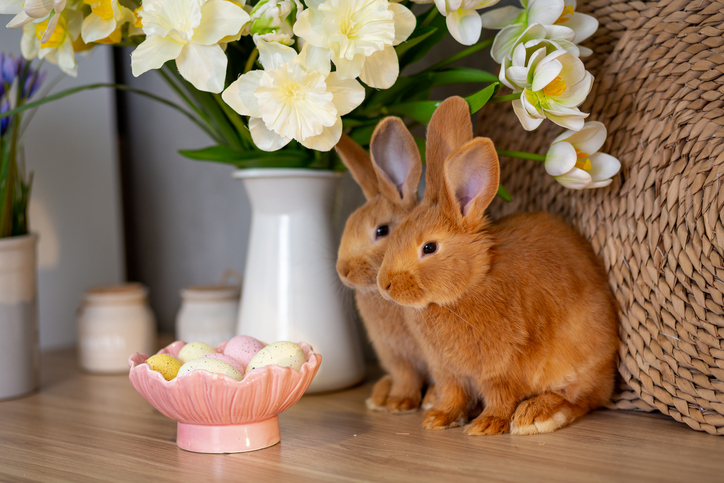
Why The Bunny Is The Trademark Animal Of Easter
The Easter Bunny, a beloved symbol of springtime and renewal, has a fascinating history rooted in ancient traditions and cultural evolution.
Its origins trace back to pagan celebrations of the goddess Ēostre, associated with fertility and spring.
Rabbits, known for their prolific reproduction, became symbols of new life and rebirth, aligning perfectly with the themes of Easter.
German folklore introduced the “Osterhase” or Easter Hare, a mythical creature that rewarded well-behaved children with colorful eggs.
German immigrants brought this tradition to America in the 1700s, where it evolved into the Easter Bunny we know today.
Over time, the bunny’s role expanded from delivering eggs to including chocolates, toys, and other treats, becoming a cherished part of Easter celebrations.
Eggs, another key symbol of Easter, represent resurrection and new beginnings.
Historically, eggs were forbidden during Lent, making them a special treat when Easter arrived.
Decorating and gifting eggs became a joyful tradition, further intertwining with the Easter Bunny’s narrative.
The choice of a bunny over a chicken as Easter’s mascot is tied to its symbolic appeal.
While chickens naturally lay eggs, rabbits’ association with fertility and their endearing image made them more fitting for commercialization and storytelling.
Today, the Easter Bunny continues to delight children and families, embodying the spirit of renewal and the joy of spring.
Its journey from ancient rituals to modern festivities highlights the enduring power of cultural symbols to bring people together in celebration.