SCOTUS Decision Review: Jan 6 Defendents, Fischer v. United States, Court Rules 6-3 That Enron Doc Case Could Not Be Used In Prosecution of Jan 6 Defendents

Tony Katz:
SCOTUS restricts the criminal charges of interference with official proceedings under statute used against the January 6th defendants. Talk to me about the case and talk to me about the majority opinion.
Source: SAUL LOEB / Getty
William Jacobson:
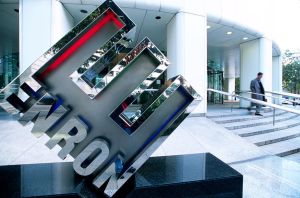
Well, hundreds of people, including Donald Trump, have been charged with obstruction of an official proceeding under a statute which is referred to as the Sarbanes-Oxley statute, which arose out of the Enron fraud. Enron was the entity that they cooked the books, basically OK. And they phoned up the records. And so, Congress passed the statute saying that that’s illegal, that that that when you do that in order to interfere with an investigation, which is what Enron did, that’s obstruction of an official proceeding and it’s a criminal charge. Well, they use that. Enron, you know, statute to charge people who walked into the capital. It doesn’t affect somebody who hit a policeman or anything like that. There’s plenty of other charges you can charge that person with, but people who were on in restricted areas didn’t necessarily hit anybody or do any acts of violence which. Charged with obstruction of an official proceeding. And what the court ruled is that that is over reading the statute, that is stretching the statute beyond what it covers. It only covers obstruction of an official proceeding through the destruction or other interference with records. And that’s how it arose. I mean, that’s what Enron was. They knew the FBI was investigating them and the Department of Justice. And so, they started to mess with the records of the company. And they can’t use that records law to indict somebody who does some other form of obstruction, because if you do that, then almost anything could be indicted. A a parent at a school board, you know. Speaking up or parent, you know, somebody at a congressional hearing speaking up or and and this was all done, you know, set forth in the oral argument like what what is the limit to this statute, if any form of interference with an official proceeding? And so, they said, no, you can’t do that. And that that’s gone.
Source: Gregory Smith / Getty
Tony Katz:
it’s that when you like we know the people were charged, but it’s not our everyday to be in in the intricacies of the law when you realize that the federal government was so desperate to go after these people the level of stretch from hey, this this is the. Shredding of papers, well, that’s obstruction. This can apply to January 6 people who were invited into the capital by Capitol Police. You really start to get a sense that the people who have been showing this outrage about what has happened regarding January 6th, they’ve got a real point here.
William Jacobson:
Yeah, I mean, this was a complete abuse of a statute to criminalize otherwise lawful conduct and, you know, lawful political conduct… you’re allowed to protest. You’re even allowed to protest, you know, an election. That’s not an interference. If you, you know, I think this was all in the oral argument. What if a senator is going for a vote and somebody stops the person, not violently, but to say, say here’s my view on this, here’s what you do. You literally have obstructed that proceeding because the senator is now going to be a minute late to the proceeding and there’s no limit to it. And so, they abused the law in order to get political opponents. Now, a lot of these people who were charged with that law also have other charges, you know, parading, OK, ridiculous things like that. But at least this charge is going to go away. And it will have to, I think, go away in Trump’s criminal case in DC. If that’s one of the charges against him, none of these people have ever been charged with insurrection. And I think some have been charged with conspiracy to commit an insurrection, but nobody’s actually been charged with insurrection, certainly not Donald Trump. And so, I think this is a big blow to the prosecutor in DC, the special counsel. Because they don’t have a papers and books and records charge against Trump in in DC. So, this is a huge decision. I don’t know how many people it will free. I don’t know how many people it will entitle them to get their convictions overturned or expunged. I don’t know the answer to that. How many were only charged with the statute? But it might affect sentencing people who were sentenced, and this was part of the sentencing. There may have to be new sentencing. Unfortunately, the track record of the DC judges has not been great on sentencing, so it probably won’t change anything. But nonetheless, it is an important statement that the government which accused the protesters. Of violating the law, in fact, violated the law by stretching the statute beyond what it was intended to be
Fischer v. United States – Wikipedia
Listen to the discussion in full here:
Listen to the Show in Full here:
See the full rundown from today’s show here:
Tony Katz + The Morning News Archives – WIBC 93.1 FM
PLEASE SUBSCRIBE TO THE PODCAST
Tony Katz + The Morning News on Apple Podcasts
Tony Katz + The Morning News | Podcast on Spotify
Tony Katz and the Morning News on IHeartRadio