Lindsey Graham Sparks Fury: “You Deserve Higher Gas Prices”
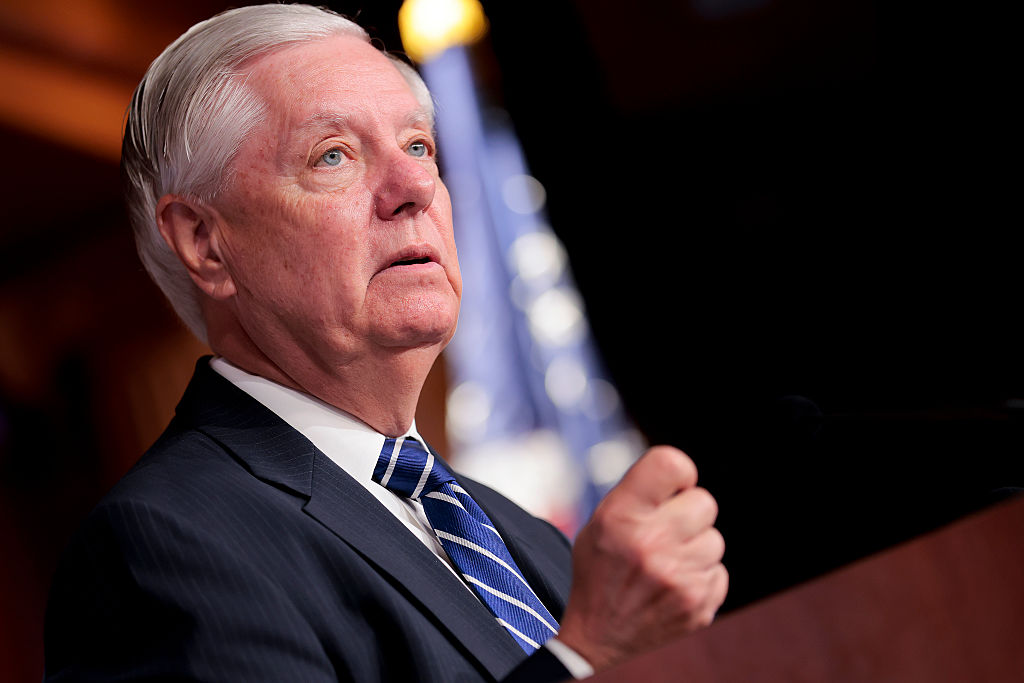
Lindsey Graham’s recent comments on gas prices have left many Americans scratching their heads.
The senator’s statement that Americans “deserve” higher gas prices has sparked a heated debate about the country’s energy policies and the impact on everyday citizens. But what’s behind this bold claim, and what does it reveal about the current state of American politics?
Lindsey Graham’s comments are a stark reminder that the issue is not just about economics, but about the people who are struggling to make ends meet. As he puts it, “I know gas prices are high, and I know we’re suffering right now. But you pay now, you pay later.”
Graham’s argument is that the cost of military action against countries like Iran is a necessary evil, and that the benefits will be felt in the long run. He cites the example of President Trump’s decision to bomb Iran’s nuclear facilities, which he claims prevented a nuclear-armed Iran and saved the country from a catastrophic threat. “God bless you, President Trump,” he says. “We were weeks away from a nuclear-armed Iran. No more.”
Casey Daniels and guest host Ethan Hatcher touched on the issue of gas prices and the recent developments in the energy market. A report from Gas Buddy suggests that Indiana is expected to see a drop in gas prices this week, thanks to refinery problems in the region. However, the relief may be short-lived, with prices still expected to remain high.
Despite the complexities of the issue, one thing is clear: the impact of rising gas prices is being felt across the country. As we explore the politics and economics of energy policy, it’s essential to remember the human cost of these decisions.
If you’re interested in understanding the intricacies of this issue and the perspectives of those involved, you can listen to Casey Daniels and Ethan Hatcher discuss Lindsey Graham’s comments and the future of American energy policy: