U.S. Farm Bankruptcies Rose 46% in 2025
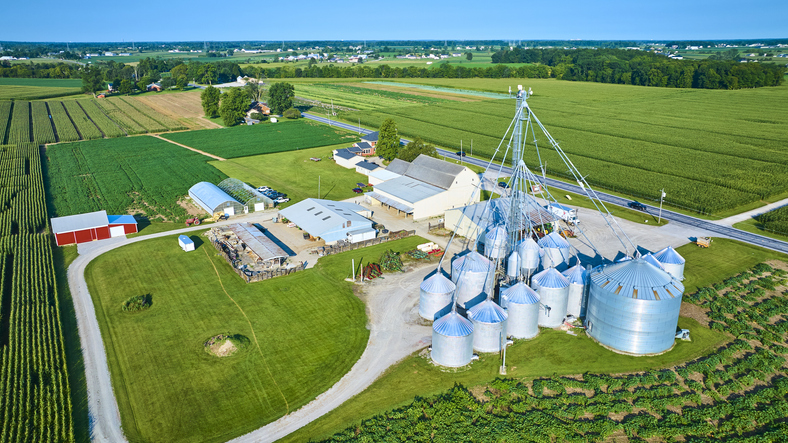
STATEWIDE — The number of farms in the United States that filed for bankruptcy in the last year surged 46%.
According to the American Farm Bureau Federation, there were 315 Chapter 12 bankruptcy filings in 2025. That’s up from 216 in 2024 and the third consecutive annual increase.
Hedgeye, an independent investing research company, reported that the hardest hit region in the U.S. has been the Midwest. Last year, there were 121 filings there, up 70%. Following the Midwest was the Southeast with 105 filings, a 69% jump.
Together, those two regions accounted for more than two-thirds of all farm bankruptcies in the country.
Michael Langemeier, Director of the Center for Commercial Agriculture at Purdue University, said the increase in bankruptcies is directly related to the low margins in crop agriculture in 2024 and 2025, with another expected this year.
“When you have a series of years in a row that are fairly low margins, the number of bankruptcies increases,” Langemeier told WIBC’s “Tony Katz Today” on Wednesday.
In 2019, there were 599 farm bankruptcies, a time when margins were also low in the Corn Belt in Indiana.
“What we’re seeing here is that as margins continue to be tight, we’re in the third year right now, the number of bankruptcies is increasing,” Langemeier said. “If prices remain relatively low and costs relatively high this year, which is what we’re expecting, we would expect the number of bankruptcies to increase again in 2026.”
The rising cost of fertilizer is also squeezing American farmers. Urea, the most widely used nitrogen fertilizer in the world, has trended up 87% year-to-date and trades near $720 a tonne. For corn growers who depend on nitrogen, this is a dire situation.
“Even before the Iran conflict, where we pushed energy prices up and nitrogen prices up, we were looking at a very wide gap between corn price and breakeven price,” said Langemeier.
The price of corn has been around $4.20 per bushel, whereas the breakeven price is closer to $5.
Langemeir said crop producers are having a much tougher time than the livestock sector. Many farmers are reporting that they will cut back on their fertilizer use and move towards less nitrogen-dependent soybeans.
“Younger operators and operators that do not own very much land, those are the ones that are primarily in a precarious situation,” Langemeier added.
Indiana farmers planted a lot of corn last year, a cause for a “weak” corn price. Langemeier said the reason for that was that the U.S. struggled to send soybeans to China.