Master car maintenance: Your road to a smooth ride
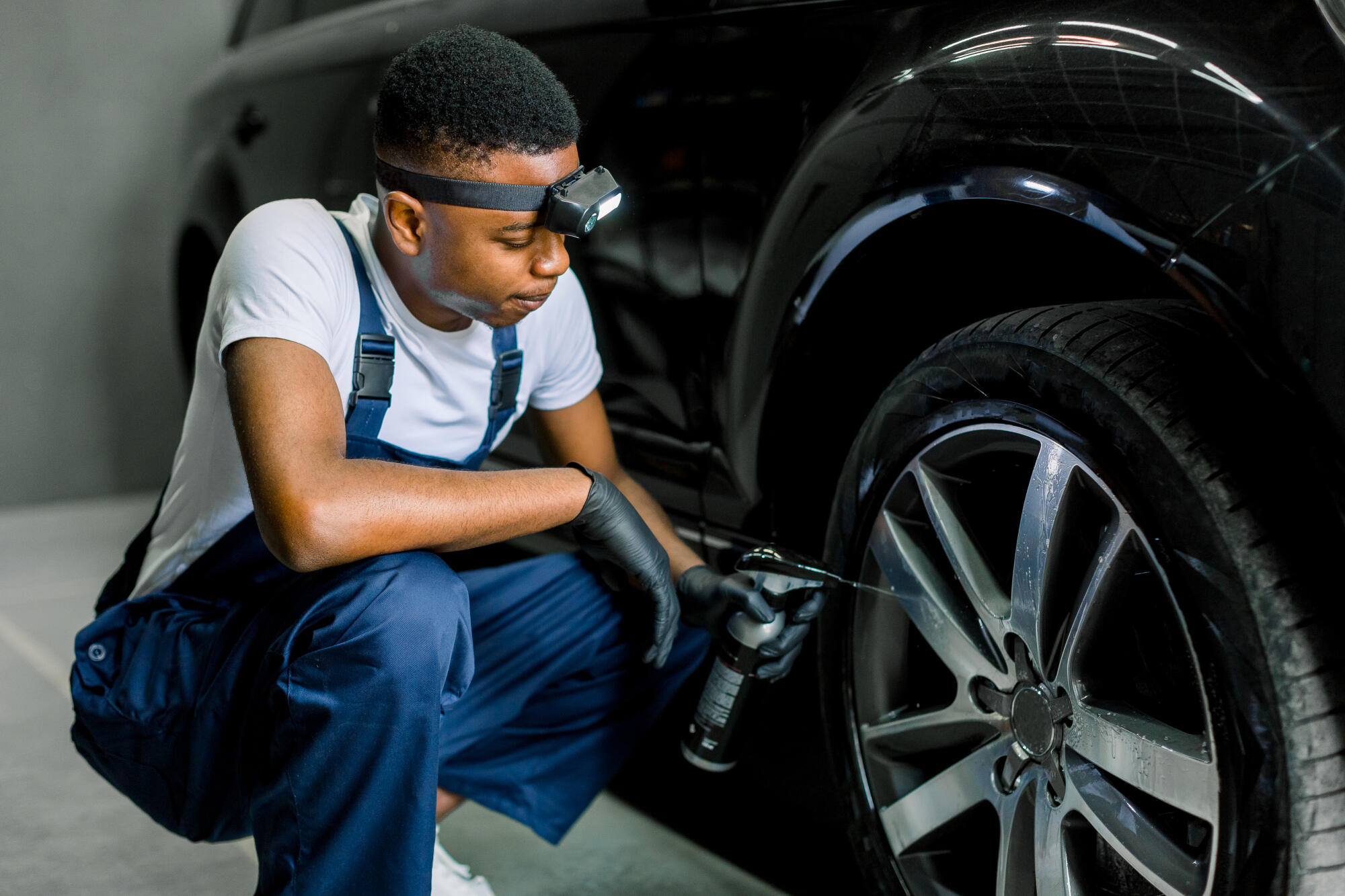
Car reliability depends on consistent care and attention. Strong habits in car maintenance reduce unexpected repairs and help vehicles perform safely for years. Drivers who follow a clear maintenance plan often save money while protecting engine performance and resale value.
Every driver wants a car that runs smoothly and gets them where they need to go without problems. Reliable vehicles rarely happen by accident. Consistent car maintenance plays a major role in keeping cars dependable and safe.
Many mechanical issues begin as small problems that develop over time. Ignoring routine service can allow minor wear to turn into expensive repairs. Drivers who follow practical vehicle upkeep tips often avoid many of these issues.
Regular inspections and simple habits make a noticeable difference. Checking fluids, monitoring tires, and following a structured car maintenance schedule help protect major vehicle systems. Owners who commit to preventive car care often enjoy better performance, improved fuel efficiency, and fewer unexpected breakdowns.
Well-maintained vehicles last longer, drive more smoothly, and give drivers greater confidence on the road.
What Is Basic Car Maintenance?
Basic car maintenance includes routine inspections, fluid checks, and component replacements that keep a vehicle running safely. Many tasks require little time yet prevent major mechanical problems.
Common basic maintenance tasks include:
- Checking engine oil levels
- Monitoring tire pressure
- Inspecting brake condition
- Replacing air filters
- Examining belts and hoses
Drivers often use a simple car maintenance checklist to stay organized and ensure no critical task is overlooked.
Regular attention to small details supports strong engine health and consistent performance. Preventive car care helps drivers identify potential issues before they lead to major repairs.
How Often Should You Maintain Your Car?
Vehicle service intervals vary depending on mileage, driving conditions, and manufacturer recommendations. Most drivers follow a structured car maintenance schedule that includes inspections at specific mileage milestones.
Below are typical maintenance intervals.
Every Month
Drivers should perform quick inspections. These include:
- Tire pressure checks
- Fluid level monitoring
- Visual inspections of lights and wiper blades
Every 3,000 to 5,000 Miles
Oil changes remain one of the most important elements of car maintenance. Fresh oil protects engine components and prevents internal wear.
Every 15,000 to 30,000 Miles
Air filters, brake inspections, and tire rotations often occur within this range. These steps improve engine efficiency and maintain stable handling.
Every 60,000 Miles or More
Major service items may include:
- Transmission fluid replacement
- Coolant flushes
- Spark plug inspections
These services support long-term vehicle reliability.
Essential Vehicle Upkeep Tips Every Driver Should Follow
Practical vehicle upkeep tips help drivers maintain performance while avoiding unexpected breakdowns. Many of these habits require only a few minutes yet protect critical vehicle components.
Key tips include:
- Maintain proper tire pressure for improved fuel efficiency
- Check engine oil regularly to avoid engine damage
- Replace worn wiper blades to maintain visibility
- Keep battery terminals clean to prevent starting issues
- Monitor dashboard warning lights carefully
Drivers who consistently follow these simple habits often experience fewer mechanical problems. Routine inspections play a major role in preventive car care and vehicle longevity.
DIY Car Repairs That Drivers Can Handle
Many vehicle owners perform simple DIY car repairs without visiting a mechanic. Basic repairs often require minimal tools and basic mechanical knowledge.
Common do-it-yourself repairs include:
- Replacing cabin air filters
- Installing new windshield wipers
- Changing headlight bulbs
- Replacing engine air filters
Drivers seeking detailed guidance often rely on professional automotive repair manuals available online. Reliable manuals provide step-by-step instructions and diagrams that simplify maintenance tasks.
The Power of Preventive Car Care
Successful vehicle ownership often depends on proactive preventive car care. Waiting until a problem appears can lead to expensive repairs and extended downtime.
Preventive care focuses on early detection and routine service. Mechanics often recommend the following steps:
- Monitor fluid levels regularly
- Inspect belts and hoses for cracks
- Listen for unusual sounds while driving
- Address warning lights fast
Drivers who prioritize preventive car care reduce long-term repair costs while improving vehicle safety. Consistent maintenance habits protect engines, transmissions, and braking systems from unnecessary wear.
Why a Car Maintenance Checklist Matters
Organization remains a major factor in successful car maintenance. A structured car maintenance checklist helps drivers track completed tasks and plan future service.
A strong checklist often includes:
- Oil change history
- Tire rotation schedule
- Brake inspections
- Fluid replacements
- Filter changes
Tracking these services creates a clear maintenance history that improves vehicle resale value. Buyers often look for proof of consistent preventive car care before purchasing a used vehicle.
Frequently Asked Questions
What Happens If You Skip Regular Car Maintenance?
Skipping routine car maintenance often leads to accelerated wear on engine components and mechanical systems. Small issues such as low fluid levels or worn filters gradually reduce performance.
Drivers may experience reduced fuel efficiency, engine overheating, or brake problems over time. Delaying service can also increase repair costs because minor problems often develop into larger failures when ignored.
How Can Drivers Extend the Life of Their Vehicle?
Drivers can extend vehicle lifespan by following a consistent car maintenance schedule and addressing warning signs early. Regular oil changes protect internal engine components from friction damage. Tire rotations maintain balanced wear and improve driving stability.
Drivers should also avoid aggressive driving habits that place unnecessary strain on:
- Engines
- Transmissions
- Braking systems
Long-term vehicle durability often depends on disciplined preventive car care practices.
Are DIY Car Repairs Safe for Beginners?
Many basic DIY car repairs remain safe for beginners when drivers follow reliable instructions and use proper tools. Tasks such as replacing filters or installing wiper blades require little mechanical experience.
Drivers should consult manufacturer guidelines before attempting larger repairs involving braking systems or electrical components. Learning basic maintenance skills can build confidence while reducing service costs.
Master Car Maintenance for a Smooth Ride
Strong car maintenance habits support reliable transportation and long-term vehicle value. Drivers who follow structured maintenance routines experience fewer breakdowns and improved driving safety.
Regular inspections, a detailed car maintenance checklist, and consistent preventive car care allow drivers to protect their vehicles for years. Knowledge of basic DIY car repairs also empowers owners to manage simple issues fast.
Continue exploring our website for more articles and the latest news story updates. Our news and lifestyle articles continue to share practical insights that help our readers stay informed.