Why Gen Z Is Embracing Chinese Wellness Tips on TikTok
Zhu, a 23-year-old Chinese American creator based in New Jersey, went viral after telling viewers that anyone serious about “becoming Chinese” should drink hot water every day. The video quickly racked up millions of views. Later, she explained to GQ that the habit works for her personally. “I really do feel like, digestion-wise, a lot better when I’m drinking hot water,” she said.
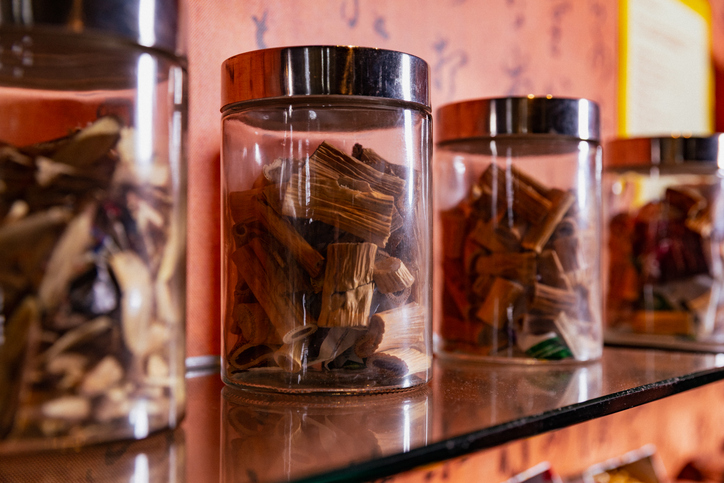
Her advice comes from traditional Chinese medicine (TCM), a health system that dates back roughly 5,000 years and takes a holistic approach to wellness, addressing physical, emotional and spiritual balance.
Creators of Chinese descent regularly share TCM-inspired habits online. Some suggest keeping your feet warm to ease menstrual cramps. Others recommend herbal teas made with goji berries, jujubes and ginger. Many encourage daily movement to help maintain the flow of qi, or internal energy. The videos often strike a playful tone with captions such as “Do my Chinese baddie routine with me” or “Advice from your Chinese big sister.”
Non-Asian creators have also joined the trend, documenting their attempts to follow the routines. Some post videos titled “Day one of being Chinese” while cooking digestion-friendly foods like boiled apples or congee.
The trend is part of a broader online phenomenon sometimes called “Chinamaxxing,” where Americans share memes and videos celebrating Chinese culture. Analysts say the movement may reflect growing skepticism toward U.S. institutions.
“When Americans don’t trust their own institutions, media or political class, they become more willing to look for alternative reference points,” said Shaoyu Yuan, a professor of international relations at New York University.
Interest in Chinese wellness practices has also grown as confidence in the U.S. healthcare system declines and alternative health remedies gain popularity.
Still, the trend has sparked debate. Some Asian American creators say the sudden fascination with Chinese traditions feels uncomfortable after the rise in anti-Asian harassment during the Covid pandemic. Others warn that social media often reduces complex cultural practices to quick viral tips.
Dr. Felice Chan, an acupuncturist and doctor of Chinese medicine, welcomes the attention but urges deeper understanding.
“There is a medicine tied to it,” Chan said, “but there’s almost a lapse in communication or understanding of why our parents told us.”