The Strategic Calculus Behind Actions In Iran And Venezuela
- US strikes against Iran and Venezuela aim to disrupt China's oil supply, a key global concern.
- Iran's regime is labeled 'evil' and its actions 'tactical mistakes' that warrant greater punishment.
- Trump's approach is backed by new allies like Saudi Arabia, unlike France and China who complain.
The Strategic Calculus Behind Actions In Iran And Venezuela
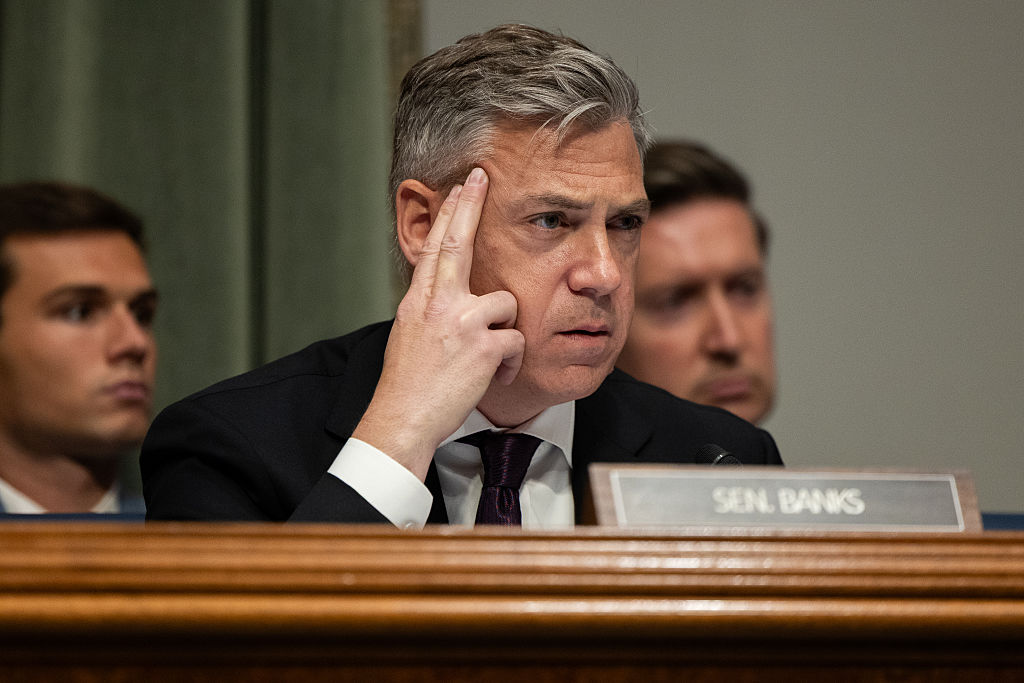
The US-Iran conflict has been making headlines, and today we’re diving into the latest developments with Senator Jim Banks, a member of the Armed Services Committee. As we explore the situation, it’s clear that this is more than just a regional issue – it’s a global one, with far-reaching implications for the US, its allies, and the world at large.
Senator Banks shares his insights with Tony Katz on the recent strikes against Iran, explaining that “when the President is sent to aircraft carrier strike groups to the Middle East, we knew that something was imminent.” He notes that President Trump had warned the Iranians “something like sixty different times” to stop their nuclear program, but they chose to ignore the warning. The senator emphasizes that the strikes were “very effective,” with over thirty percent of Iran’s military wiped out, and key figures targeted.
One of the most striking aspects of this situation is the strategic calculus behind the US’s actions. Senator Banks points out that taking out Maduro in Venezuela and the Ayatollah in Iran has significant implications for China’s oil supply. “When you take out the Ayatollah, you end oil flowing to the Chinese,” he explains. This is a crucial point, as China’s oil needs are a major concern for the US and its allies.
The senator also highlights the importance of understanding the Iranian regime’s motivations. “These are very evil people,” he says, “the biggest state sponsor of terrorism in the world.” He notes that Iran’s actions, including firing rockets at its neighbors, have been “tactical mistakes” that will lead to greater punishment in the future.
As we discuss the situation with Senator Banks, it becomes clear that this is not just a matter of US foreign policy, but also a reflection of the global landscape. The senator notes that the US has gained allies in this regard, with countries like Saudi Arabia and the UAE now supporting the US position. In contrast, the French and Chinese are the only ones complaining about the strikes.
Throughout our conversation, Senator Banks emphasizes the importance of understanding the stakes and the President’s approach. “President Trump understands the stakes,” he says. “He’s been talking about it again. He warned them sixty something times into your nuclear program or we’re going to bomb the hell out of you.” The senator trusts the President’s judgment and believes that this is not a “forever war” like the ones in Iraq and Afghanistan.
As we wrap up our conversation, it’s clear that the situation in the Middle East is complex and multifaceted. But one thing is certain: the US is taking a firm stance against Iran’s aggression, and the global implications are significant. If you want to understand the intricacies of this situation and the US’s strategy, listen to the segment below to hear Senator Jim Banks’ insights and analysis.
Listen to the “The Strategic Calculus Behind Actions In Iran And Venezuela” discussion in full here:
Listen to the show in full here:
Watch the show here:
Archived episodes here:
ABOUT THE SHOW
Tony Katz Today airs from 12-3pm ET on 93.1 WIBC/Indianapolis
What are we talking about? Politics, breaking news, political theory, art, the markets, food, libations and whatever else may come to mind.
PLEASE SUBSCRIBE TO THE PODCAST
Tony Katz Today on Apple Podcasts