AES to be Bought by Global Investor Consortium
AES to be Bought by Global Investor Consortium, Taking Company Private
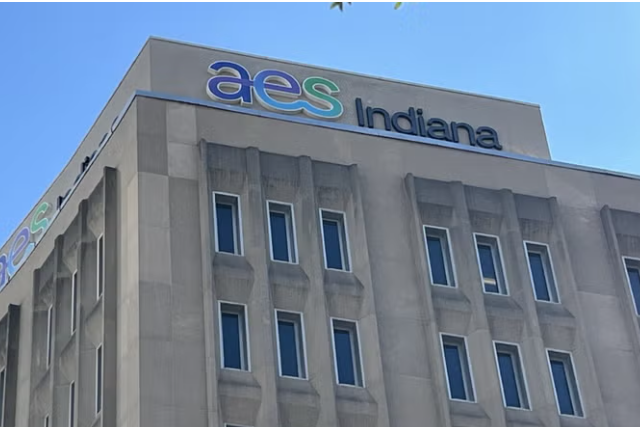
INDIANAPOLIS— The AES Corporation announced Monday that it will be acquired by a consortium of global investors, according to a press release.
The consortium includes Global Infrastructure Partners, a part of BlackRock, and the EQT Infrastructure VI fund. Two underwriters of the deal, the California Public Employees’ Retirement System and the Qatar Investment Authority, are also part of the purchasing group.
The deal values the energy company at a total equity value of $10.7 billion. Including the assumption of existing debt, the total enterprise value of the sale is around $33.4 billion.
The agreement follows the first media reports of a potential acquisition that emerged on July 8. Company officials say the move is intended to position AES for long-term growth across its regulated electric utilities and clean energy business units in the U.S. and Latin America.
In the United States, the company serves 1.1 million customers through its electric utilities in Indiana and Ohio. These units are currently experiencing significant growth in energy demand.
Under private ownership, the company says AES Indiana and AES Ohio will remain locally managed and operated regulated utilities with continued investment in local assets. It will also transition to a structure that provides more financial flexibility to accelerate its growth strategy.
The deal, unanimously approved by AES’ board, is expected to close in late 2026 or early 2027, pending shareholder and regulatory approvals.
Statement on acquisition from Rep. André Carson
I’m very concerned that AES’s move toward private ownership will hurt Hoosiers. Private firms having a stake in public utilities – an essential service – will put profits over people.
I’ve worked in Congress to lower utility costs, but the Trump administration is constantly undermining our efforts by prioritizing corporate interests. Indianapolis families are already facing higher costs for healthcare, groceries, and housing. The last thing they need is another increase in their utility bills.