Why fly season is a growing concern for horse owners
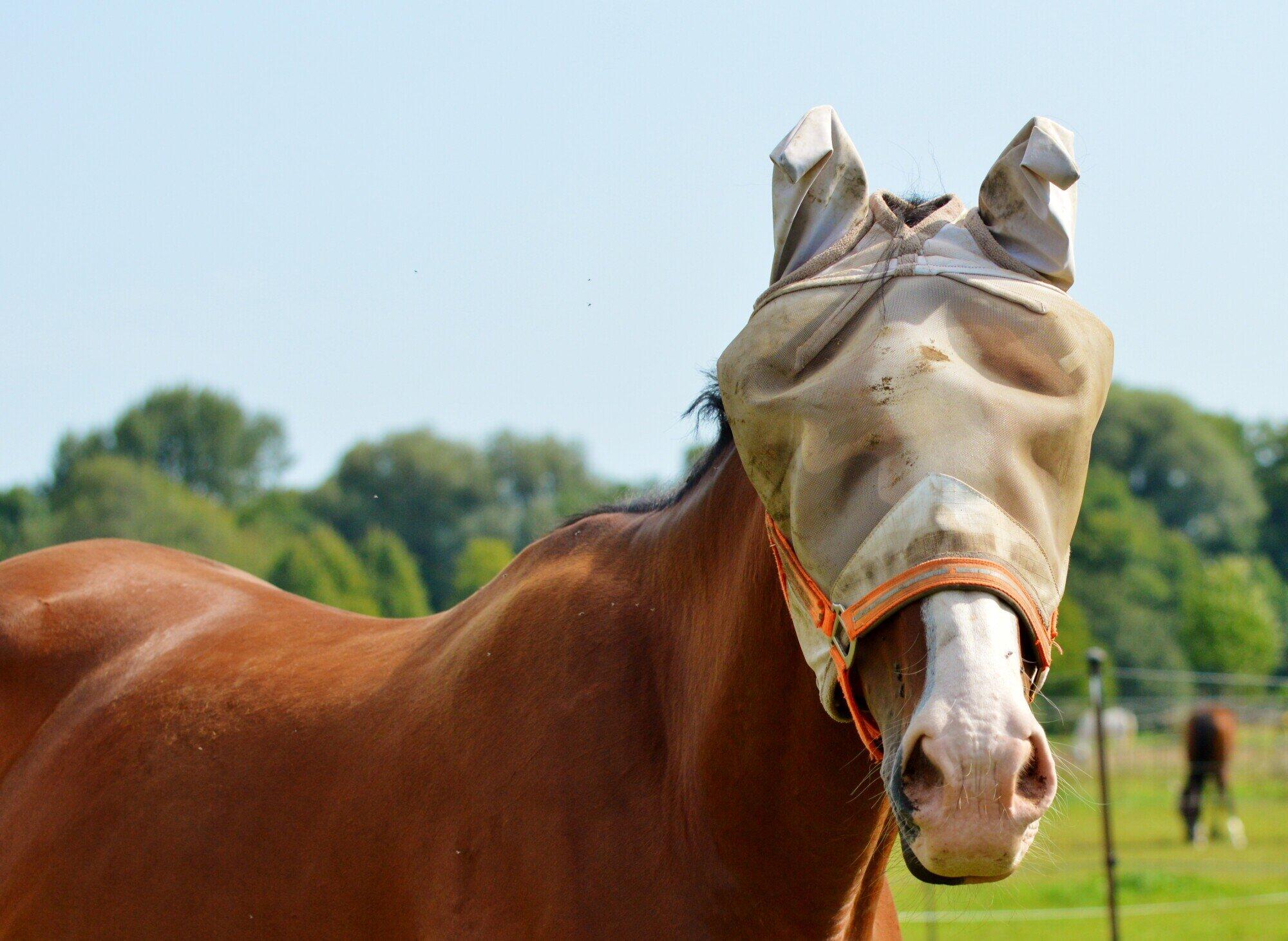
Fly season presents significant challenges for horse owners as it increases the risk of skin damage, allergic reactions, and illness in horses. At the same time, horses also face disrupted feeding habits, increased stress, and delayed wound healing with a higher risk of complications.
What if fly season is affecting your horses more than you realize? Understanding what flies do to your horses helps explain why this period demands closer attention.
Controlling flies is a key part of proper horse care because it protects daily comfort and supports horse health. When flies are managed properly, horses can graze, rest, and move without constant disturbance.
What Kind of Flies Are Around Horses?
Stable flies and house flies are the most common types you will see around horses. Stable flies often bite the legs and cause pain that leads to stomping, but they also target the belly, flanks, and shoulders. House flies crowd the eyes, nose, and mouth, where they feed on fluids, causing ongoing discomfort.
Other flies you may deal with include:
- Horse flies
- Deer flies
- Face flies
- Bot flies
Each type affects your horse differently, so knowing what you face helps you choose the right control method.
How Can You Protect Horses From Flies?
To keep horses safe from flies, keep the stable clean by removing manure often because flies breed in it. During turnout, use fly repellents for outdoor use to keep flies off your horse. You can also purchase gear that blocks flies, including:
- Fly masks that cover the eyes and face
- Fly sheets that shield the body
- Leg wraps that reduce biting on lower limbs
The Impact of Flies on Horse Health
Fly season creates real problems for horses that affect their daily comfort and health. These stubborn insects have the following impact on horses:
Increased Skin Damage and Persistent Irritation
Fly bites break the skin and leave sore spots that keep your horse rubbing against:
- Fences
- Trees
- Walls
Each rub strips hair and opens raw patches, which lets dirt enter damaged tissue.
Without good equine pest control, irritation builds and turns a small bite into a bigger skin problem. Scratched skin also draws more flies, so the cycle keeps feeding itself, and your horse gets less relief.
Higher Risk of Infections and Illness
Flies carry bacteria and can spread infections when they land on eyes, wounds, or sensitive skin. As a result, your horse may develop eye issues, skin infections, and discomfort that affect feeding and behavior.
In horse health care, you need to watch for early signs of infection and act fast to protect your horse. Common signs to look for include:
- Swelling around bite areas
- Discharge from the eyes or wounds
- Warm skin that signals infection
- Slow healing in affected spots
Development of Severe Allergic Reactions
Some horses react to fly bites with strong allergic responses that go beyond normal irritation. The cause lies in your horse’s sensitivity to proteins found in the saliva of biting insects, such as:
- Midges
- Black flies
- Stable flies
- Mosquitoes
Bites can trigger:
- Intense itching
- Swelling
- Hair loss
- Skin thickening
- Hives
If your horse has allergic reactions, use fly season solutions early to lower bite exposure and prevent flare-ups.
Disrupted Feeding Habits
Heavy fly presence makes it difficult for horses to graze in peace. They spend more time stomping, swishing, and moving around to escape the bites. If flies keep bothering your horse all day, the horse may eat less than it should.
When a horse takes in less feed, it starts to lose weight and have less energy. Over time, poor feeding can also weaken the immune system and make your horse more prone to illness.
Increased Stress
When flies keep landing and biting, your horse stays alert and tense for long periods. It has to keep shaking, stamping, and shifting position, which prevents rest and keeps the body in a constant state of strain.
Ongoing stress drains energy and affects focus, which can change behavior and make handling harder. With proper fly prevention methods, your horse gets relief from repeated bites and can settle into its normal routine.
Delayed Wound Healing and Complications
Flies are drawn to cuts, scrapes, or sores on your horse and can introduce bacteria when they land. Instead of the wound staying clean and closing up, it keeps getting contaminated, which slows healing.
During summers with horses, you need to care for wounds closely because flies are more active and keep bothering the injuries. To do so, keep wounds clean and covered so they can heal without repeated disturbance.
Frequently Asked Questions
What Time of Year Are Flies Most Active?
Fly season peaks from June through August in most parts of the United States. Warm weather during these months speeds up breeding and increases fly numbers. You will see the most fly activity during warm daytime hours, especially in the late morning and afternoon.
What Attracts Flies to Horses?
Flies are drawn to a horse’s sweat, tears, and small amounts of discharge around the eyes, nose, and mouth. These fluids contain salts, proteins, and other nutrients that flies feed on. In addition, body warmth and carbon dioxide from breathing help flies locate and stay near your horse.
The surrounding environment also plays a role, as manure, wet areas, and leftover feed give flies places to feed and breed. Wounds and irritated skin attract even more flies because they offer easy access to moisture and exposed tissue.
How Often Should I Apply Fly Spray on Horses?
Apply fly spray once per day during fly season to protect your horse. Reapply if there’s a lot of fly activity or the spray wears off from sweat, rain, or a long turnout. Always follow product directions so you match use with your horse’s needs and environment.
Managing Fly Season for Better Horse Health
Fly season affects your horse’s skin, feeding, stress levels, and ability to heal from injuries. Bites lead to irritation, infections, allergic reactions, poor feeding, and delayed recovery. Without proper control, these problems build and affect your horse’s comfort and overall health.
Did you find this guide helpful? If so, explore more articles on this site for practical tips on animal care.