Self-Checkout Theft on the Rise as Financial Pressures Mount
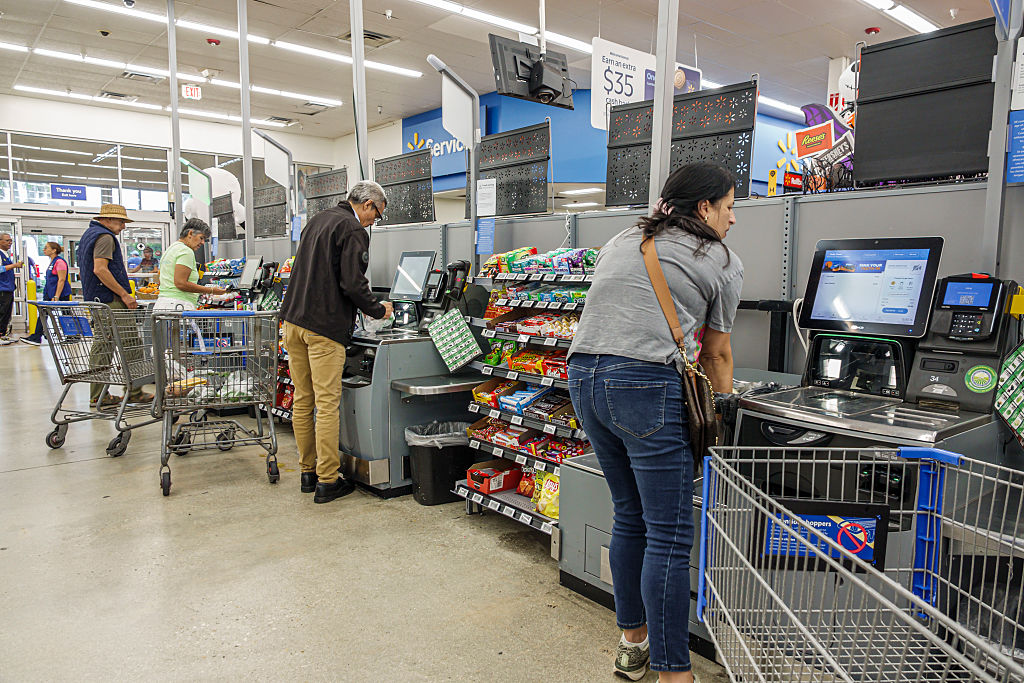
Self-checkout lanes may speed up shopping trips, but a growing share of customers admit they’ve also used them to steal.
A new LendingTree survey found that 27 percent of Americans who’ve used self-checkout have intentionally taken an item without scanning it, up from 15 percent in 2023.
Millennials (41 percent) and Gen Z adults (37 percent) were the most likely to acknowledge stealing at self-checkout. In contrast, only 2 percent of Baby Boomers said they had done so. Men (38 percent) were also more than twice as likely as women (16 percent) to admit to it.
When asked what motivated the theft, 47 percent pointed to the current financial climate making essentials harder to afford. Nearly as many (46 percent) cited rising prices — including increases they attributed to tariffs — while 39 percent said today’s costs “feel unfair” or “too high in general.”
“Even though people know that stealing is wrong and most understand the risk they’re taking, tough times require tough choices, and lots of people are clearly willing to take a risk,” LendingTree’s chief consumer analyst Matt Schulz said in the report.
About a third of respondents who admitted stealing said they didn’t feel guilty about it. A similar share (35 percent) viewed self-checkout as “unpaid work,” and believed taking small items “feels like compensation.”
Surprisingly, the survey found that people with higher incomes reported stealing the most: 40 percent of households earning $100,000 or more said they had purposely skipped scanning an item, compared with 17 percent of those making less than $30,000.
Retailers scale back self-checkout
Although self-checkout has become widespread, several major retailers are beginning to reconsider its use.
In the Chicago area, Aldi shoppers recently noticed that some locations had removed their self-checkout kiosks. Frustrated customers shared their reactions on social media.
“Nothing scarier than the line at Aldi after they took out all the self checkout kiosks,” a Chicago TikToker said in a video.
Another shopper blamed theft for the decision, saying: “We can never have a good thing because people just ruin it.”
Aldi did not respond to NewsNation’s request for comment, but told Axios that the machines were removed to “ensure we’re offering the best shopping experience possible while delivering exceptional value.” The company added that self-checkout will remain in place at many stores.
Dollar General announced last year that it had eliminated self-checkout from 12,000 stores, citing the “ongoing challenge from shrink,” the industry term for losses tied to theft and other non-sales factors.
Target introduced express self-checkout in March 2024 across most of its stores, but the option is limited to 10 items or fewer. Amazon, meanwhile, has largely pulled its cashierless Just Walk Out technology from Amazon Fresh locations.
LendingTree’s results highlight why retailers continue to struggle with self-checkout strategies. While 55 percent of survey respondents said they appreciate the speed and convenience of self-checkout, the same share (55 percent) of those who admitted stealing said they expect to do it again.
“I get that people are frustrated, but no one should encourage people to walk away from a retailer without paying for something,” Schulz said.
The findings are based on an online survey of 2,050 U.S. consumers conducted in October.