Experts say sustainable landscaping is the smartest choice for property owners
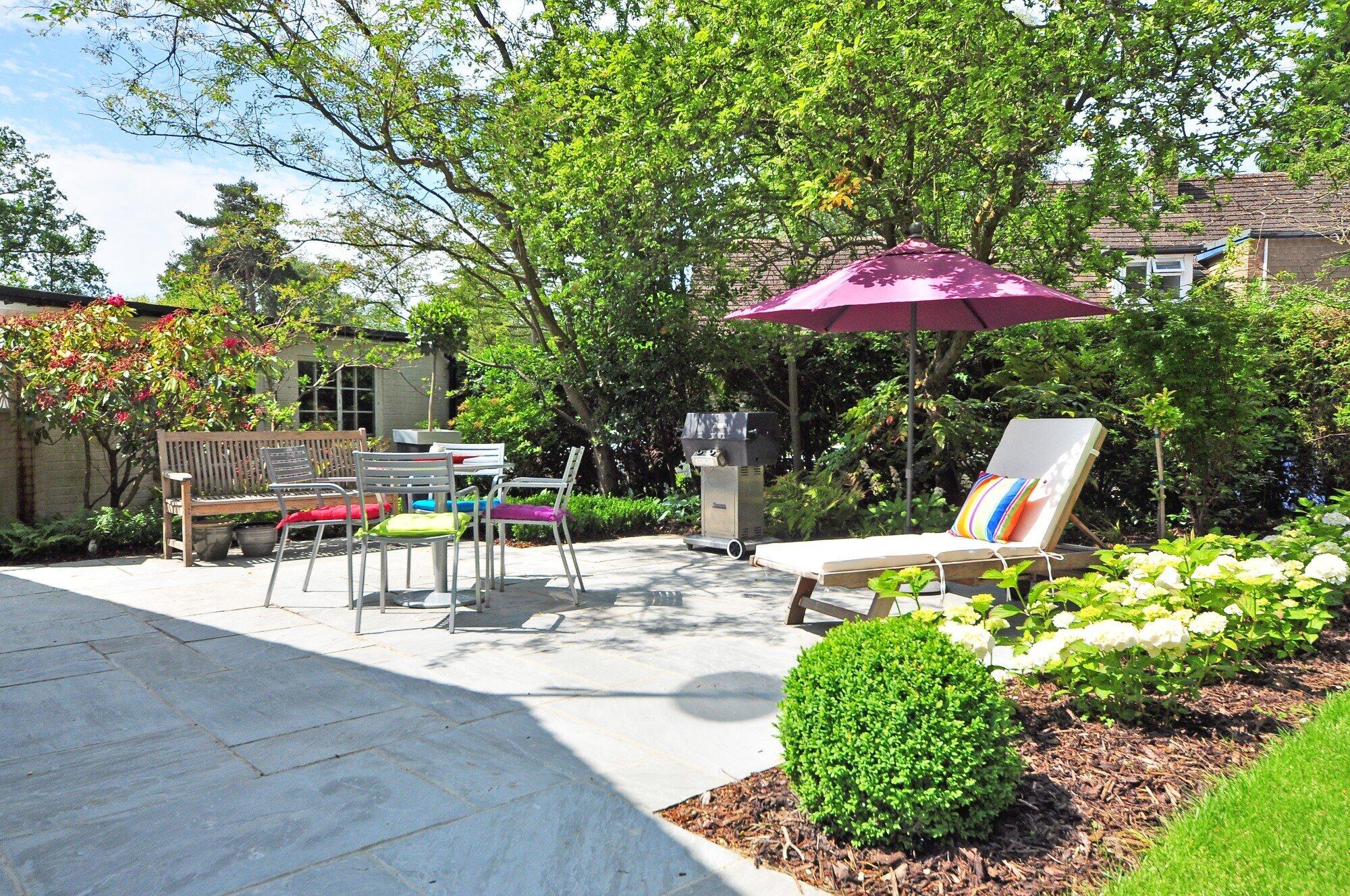
Sustainable landscaping isn’t just a trend. It’s a smart move for homeowners looking to invest wisely in their outdoor spaces. It reduces long-term costs, cuts endless maintenance, and creates a healthier environment right from the start.
A lot of people only realize this after dealing with the same problems over and over.
High water bills. Plants that never quite settle. Lawns that look good for a week and then need attention again.
Sustainable and environmental landscaping practices flip that script. The main idea is simple: when a landscape is designed to fit its environment, it stops fighting for survival, and homeowners are catching on.
Demand for native plants in the U.S. has jumped by 82% since 2020, pointing to a clear shift toward more sustainable choices (Better Homes & Gardens).
This article explores practical ways to upgrade your property without sacrificing the planet or your Saturday mornings.
What Is Sustainable Landscaping?
At its core, sustainable landscaping means designing and maintaining outdoor spaces to support local ecosystems and avoid wasting resources. This approach focuses on letting the garden find its balance by:
- Using efficient watering systems
- Making soil improvement through organic methods
- Planting a mix of native and drought-tolerant plants
- Reducing waste by recycling and repurposing
- Limiting chemical use and encouraging biodiversity
- Smart layout planning
Traditional gardening methods often rely on ongoing intervention. Eco-friendly gardening reduces that need by creating a healthier base that keeps on delivering results.
How Do You Start With Green Garden Design?
Look closely at how you use the space and identify the areas needing the most water or maintenance. Then look for opportunities to make changes, such as reducing your lawn size or planting native groundcovers.
Water conservation really takes center stage here. Gardeners are looking for smarter ways to use water, like switching to drip irrigation, adding a rain barrel, or redirecting a downspout to garden beds.
Improve your soil by adding organic matter. Compost, fallen leaves, or grass clippings all break down and help you build a foundation for long-term gains. Instead of using chemical fertilizers, let microorganisms and earthworms do the work of keeping the soil fertile.
You can also use companion planting and pull weeds by hand, or use mulch to suppress them.
Plant Small, Grow Big
Start with one bed or garden corner first, and expand once you feel confident. Look for native plants you can count on in Indianapolis, such as perennials that come back year after year and need little help once established, including:
- Purple coneflower (Echinacea purpurea): Loves the heat, shrugs off drought, brings pollinators.
- Black-eyed Susan (Rudbeckia hirta): Pops with color, tough as nails, spreads on its own.
Native grasses stabilize the soil, which means you mow a lot less. Take a look at these suggestions:
- Little bluestem (Schizachyrium scoparium): Drought-tolerant and adds texture all year.
- Switchgrass (Panicum virgatum): Great for larger spaces; helps prevent erosion.
- Prairie dropseed (Sporobolus heterolepis): Looks tidy and compact, perfect for front yards.
Next, move on to shrubs for depth and seasonal interest. To really anchor your design, include:
- Serviceberry (Amelanchier): Blooms in spring with edible berries that wildlife love.
- Red twig dogwood (Cornus sericea): Bright red stems make winter interesting.
Got the space? Add these trees for real, lasting value:
- Eastern redbud (Cercis canadensis): Bursts into bloom in early spring, won’t outgrow your yard.
- Sugar maple (Acer saccharum): Gives great fall color with a long lifespan.
- Bur oak (Quercus macrocarpa): Extremely resilient, supporting local ecosystems.
Don’t overlook container gardening. Just a few pots bursting with the right flowers or herbs can still give pollinators and birds a snack or a place to stop.
Working with professionals who understand both design and function can make a big difference. Many property owners turn to local experts in commercial and residential landscaping to help with plant and tree choices, control water flow, or create a garden design that balances aesthetics with sustainability, using hardscape elements.
Frequently Asked Questions
Can Sustainable Landscaping Improve Property Value?
Yes, and in more ways than one. One of the best landscaping benefits is that it boosts curb appeal and signals long-term planning and care. Buyers will notice the savings and lower upkeep, and many are actively looking for properties that support sustainable gardening, making your property more appealing and easier to sell.
Can Sustainable Landscaping Be Applied in Urban Settings?
The principle is the same everywhere: work with nature, reduce waste, and choose plants that thrive in your local conditions. Even a single pot of native flowers on a balcony counts as a property enhancement.
Urban spaces can benefit from green roofs, vertical gardens, and permeable surfaces to promote sustainability.
Is Sustainable Landscaping Costly to Implement?
Initial costs vary, depending on the scale, but many sustainable practices are affordable. Long-term savings on water and maintenance often offset upfront expenses.
How Long Does It Take to See Results From Sustainable Landscaping?
Most homeowners start noticing improvements within one growing season. Plants establish, soil health improves, and maintenance needs begin to drop as the landscape becomes more balanced.
Will a Sustainable Landscape Look Less Polished Than a Traditional Garden?
Not at all. With thoughtful design, sustainable landscapes can look just as structured and visually appealing, while still being easier to maintain over time.
How Can You Use Hardscape to Support Sustainability?
Sustainable landscaping favors materials that last. Reclaimed stone, natural rock, or high-quality pavers reduce the need for replacement and limit waste over time.
Raised beds, retaining walls, and terraces can improve soil conditions and drainage. This is especially useful on uneven or compacted land, where plants might otherwise struggle. Structures like pergolas or stone walls can create shaded areas that reduce heat and water loss.
The Lasting Value of Sustainable Landscaping
Sustainable landscaping is a practical investment that lowers costs, improves durability, and creates outdoor spaces that care for themselves. Whether you refresh a single garden bed or rethink your entire layout, the right choices can make a lasting difference. It’s a shift from constant upkeep to lasting balance, and once you experience it, you won’t want to go back.
Looking for more tips on this topic and other home and garden features? Visit our website for inspiration today.