Aging-in-place bathroom upgrades that add safety without losing style
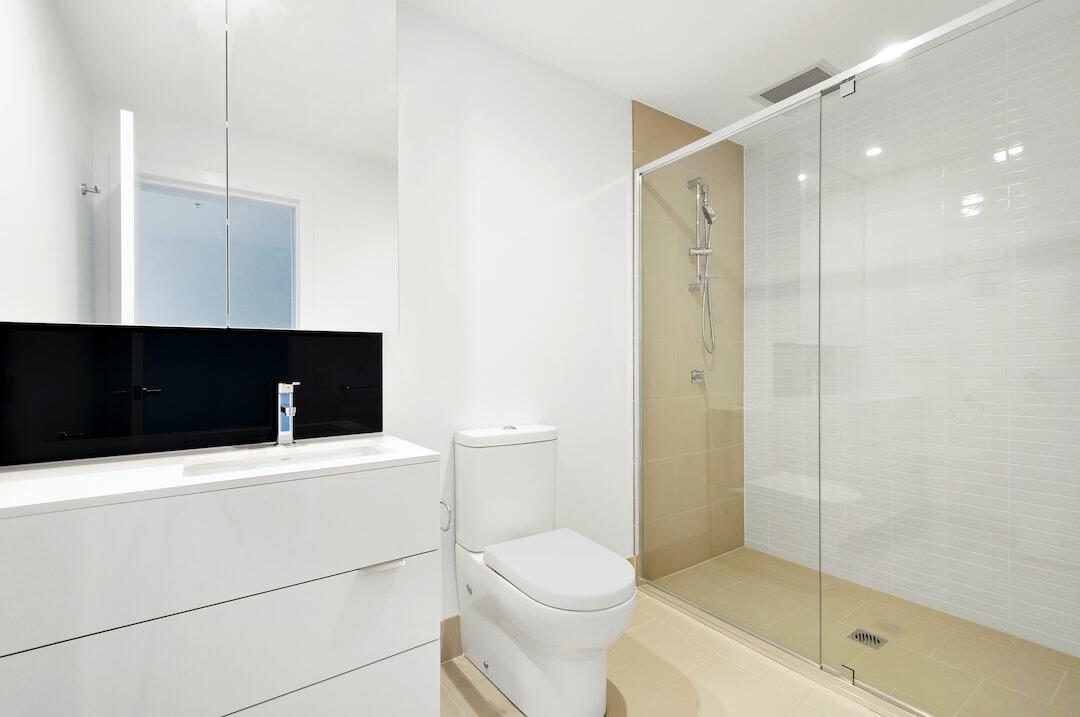
Building an aging-in-place bathroom requires upgrades and renovations to the space so seniors can conduct their business with comfort and privacy. Some of the best accommodations include room for those with mobility aids, installing a walk-in bathtub or shower, and more.
Did you know that the majority of today’s seniors want to age in place? According to AARP, a stunning 75% of individuals 50 or older would like to continue living in their homes as they age.
Aging-in-place often requires accommodations, such as renovations to senior homes to make them more habitable as they continue to grow older. With the right bathroom setup, seniors can remain independent and enjoy their homes.
What Is Aging-In-Place?
Aging-in-place means that seniors choose to remain at home as they grow older, rather than move to a senior living community or another type of care. Most seniors who choose to age in place are homeowners who have already paid off their mortgages and save money by staying.
How Do You Design a Bathroom for Aging in Place?
The bathroom is one of the most important spaces in the home, especially for seniors who want to maintain their autonomy. Here are some bathroom remodel ideas, so you can continue your lifestyle comfortably.
Strategically Place Anti-Slip Measures
Due to balance issues and reduced mobility, seniors are prone to slipping and falling. Add in the confined space of the bathroom and wet floors, and this could be a deadly combination.
Anti-slip adhesives on the floor of the shower or bathtub can serve as a first line of defense. They are often a rough texture, even when wet, so the feet can grip onto them. Anti-slip bath mats are a suitable option for use outside the shower.
Install a Walk-in Shower or Bathtub
Walk-in showers and bathtubs are essential for seniors because they are ideal for individuals with limited mobility. Rather than risking injury by having to step up into the shower or lifting the legs over the bathtub, they are easier to use independently.
Changing your bathing or showering apparatus can be one of the most time-consuming aspects of a bathroom remodel. It is crucial to find a model that suits your needs and your budget, and learn more on bathtub conversions before beginning the renovation.
Strategically Place Grab Bars
Seniors should have something to grab onto if they start to fall while in the bathroom. Since bathrooms are full of sharp corners and hard surfaces, a fall could cause broken bones or a head injury.
Place grab bars near the toilet and on the wall inside the shower or the bathtub. Make sure the bars are strong enough to support your full weight if you need to hold onto them to prevent a fall.
Accommodate Mobility Aids
Many seniors who age in place still require mobility aids to get around on a day-to-day basis. Some of the most common mobility aids include:
- Wheelchairs
- Walkers
- Canes
- Rollators
- Power chairs
- Power scooters
Mobility aids require more room to move and wider doorways to ensure that seniors do not run into walls. Make sure your bathroom door is wide enough to fit your widest mobility aid, and that there is enough room to navigate comfortably.
If you have a walk-in bathtub or shower, there should also be room to fit a shower chair or bench.
Ensure There Is Room for Caregivers
Caregivers can only help if they have the means to do so. When the bathroom is too small, and caregivers do not have access, they are unable to assist with tasks such as bathing and toileting.
A bathroom renovation should include enough space to fit the individual and the caregiver, as well as any other equipment within easy reach.
Frequently Asked Questions
How Else Can You Design Your Home to Accommodate Aging in Place?
Redesigning a home to accommodate someone who chooses to age in place can be a daunting task. Many homes are not designed specifically for seniors, and may have features that aren’t compatible with the lifestyle of an elderly individual.
Ensure that there are plenty of strategically-placed grab bars around the home, especially in high-traffic areas. Seniors who are prone to balance issues or falling can use a grab bar before serious damage occurs.
Homes with staircases may be trickier to navigate. If there is room on the downstairs floor, the individual can move their bedroom furniture and belongings to avoid the stairs. Installing a staircase lift is also an option.
What Types of Assistance Are Required for Aging at Home?
While some seniors who age at home can remain relatively independent, care considerations arise as they require more intervention and help with everyday tasks. Senior living communities, such as assisted living and memory care, have staff on hand to care for seniors.
Aging in place means coordinating a variety of different types of care. Individuals may need private care, whether it is 24 hours a day or a few hours here and there. Work with a home healthcare company to find caregivers that match your:
- Budget
- Values
- Skills
- Availability
Consider working with a physical therapist to keep your body strong. Healthy muscles and joints are the best defenses against devastating injuries.
What Is the Average Aging-in-Place Bathroom Renovation Cost?
The cost of a bathroom renovation can vary widely depending on the level of renovation and the expense of the individual elements. NerdWallet reports that bathroom remodels can range from $6,600 to $18,000 in 2026.
Bathroom remodels tend to be a good investment because they add to the value of the home. The most important benefit, however, is that they allow seniors who age in place to maintain their independence or accommodate caregivers, if needed.
Consider Redesigning Your Bathroom Today
The right aging-in-place bathroom should meet your needs, as well as cultivate a calming and enjoyable space for your most intimate moments. Use this guide to find the right combination of accessibility and aesthetically pleasing features for your accessible bathroom design.
Are you ready to begin your next renovation project? Take a look around our website for more tips, tricks, and guides.