Massive Winter Storm to Bring Ice, Snow and Brutal Cold
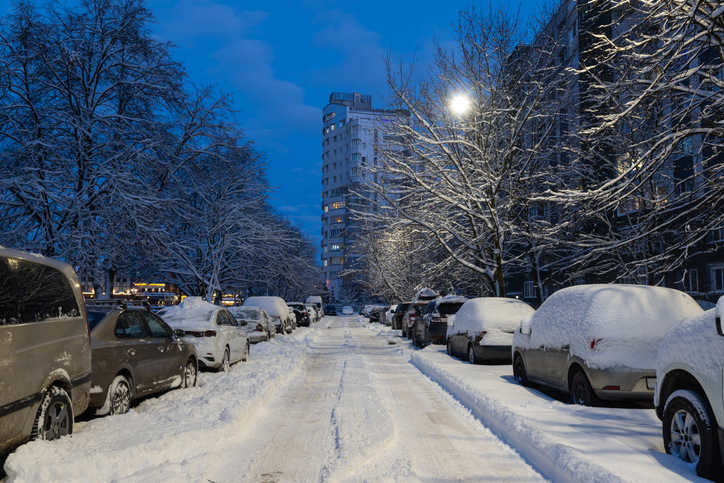
Bread was disappearing from store shelves, salt was being hauled away by the truckload and utility crews were anxiously tracking forecasts Thursday as a massive winter storm surged toward the eastern two-thirds of the United States, raising fears of widespread power outages, severe damage and dangerously cold conditions.
Forecasters say the enormous system could unleash a paralyzing ice storm from Texas through parts of the South, dump close to a foot (30 centimeters) of snow from Oklahoma to Washington, D.C., and blanket New York and Boston before finishing with an intense blast of Arctic air. Wind chills could plunge to minus 50 degrees Fahrenheit (minus 46 Celsius) in parts of Minnesota and North Dakota.
Meteorologists warned that damage — especially in areas hit hardest by ice — could be comparable to a hurricane. Roughly 140 million people were under winter storm or cold weather watches or warnings, with many regions facing both at the same time.
The storm is expected to begin Friday in New Mexico and Texas, then push its worst conditions east through the Deep South before tracking up the coast and slamming New England with snow.
The extreme cold arriving afterward is expected to slow recovery efforts. Ice- and snow-laden trees and power lines could snap, leading to electricity outages that may last for days. Roads and sidewalks could stay icy well into next week.
Forecasters said freezing temperatures could reach as far south as Florida, while lows in the North and Midwest may drop to minus 25 or 30 degrees Fahrenheit (minus 32 to minus 34 Celsius).
Winter storms remain notoriously difficult to predict, experts noted, since a temperature change of just a degree or two can mean the difference between freezing rain and a cold downpour. As a result, forecasters said it won’t be clear exactly where the worst impacts will land until the storm is underway.
Georgia Gov. Brian Kemp declared a state of emergency Thursday, joining other governors across the region. He acknowledged that while some forecasts show “disastrous levels of wintery weather in Atlanta,” others suggest the city could be largely spared.
“That line could move north or south depending on what the temperatures do and what that could throw at us,” Kemp said.
He urged residents to prepare regardless of where the storm ultimately hits. “Go ahead and fill your cars up, make sure you’ve got the things that you need at your house to stay warm and hunker down in case you lose power for a day or two,” the governor said.
At Bates Ace Hardware in Atlanta, all 275 bags of ice-melting salt sold out in a single morning, according to manager Lewis Pane. Despite extra trips to restock from the warehouse, supplies continued to vanish quickly.
Customer Wendy Chambers stopped in to buy batteries and flashlights in anticipation of possible outages. “We’re gonna be prepared, aren’t we? We’re going to be able to read, do things, play games,” she said before heading to church choir practice with her granddaughter.
Across the region, brine trucks were already treating roads from Oklahoma to Tennessee, with additional states expected to begin preparations as the storm’s arrival nears.
The approaching weather also disrupted daily life and events. College sports teams rescheduled or moved up games, the Texas Rangers canceled their annual Fan Fest, and Carmel, Indiana, scrapped its Winter Games out of concern that participants could face frostbite or hypothermia during events like ice trike relays and “human curling,” which involves sliding across a skating rink on inner tubes.